Block coding challenges are revolutionizing education by transforming traditional classrooms into dynamic innovation hubs where students develop critical thinking, problem-solving skills, and creative confidence.

🚀 The Revolution of Visual Programming in Education
The educational landscape is experiencing a profound transformation as block coding emerges as a powerful tool for unleashing student creativity. Unlike traditional text-based programming languages that can intimidate beginners, block coding uses visual, drag-and-drop interfaces that make computational thinking accessible to learners of all ages. This approach removes the syntax barriers that often discourage students from exploring technology, allowing them to focus on logic, creativity, and problem-solving.
Teachers worldwide are discovering that block coding challenges provide the perfect bridge between abstract concepts and tangible results. Students can see their ideas come to life immediately, whether they’re animating characters, creating games, or solving real-world problems through code. This instant feedback loop creates an engaging learning environment that keeps students motivated and eager to tackle increasingly complex challenges.
💡 Why Block Coding Challenges Work So Well
The effectiveness of block coding in educational settings stems from its alignment with how young minds naturally learn. Visual learners benefit from seeing code blocks as colorful, interconnected pieces that form logical sequences. Kinesthetic learners engage through the physical act of dragging and connecting blocks. Even auditory learners find success as they discuss strategies with peers and explain their coding solutions.
Block coding challenges create what educators call “low floor, high ceiling” learning environments. Beginners can start with simple tasks like moving a character across a screen, while advanced students can tackle complex algorithms involving variables, conditionals, and loops. This flexibility means every student in a classroom can work at their appropriate level while still participating in the same general activity.
Building Computational Thinking Skills
Computational thinking extends far beyond coding itself. When students engage with block coding challenges, they develop skills that transfer to virtually every academic subject and real-world situation. They learn to break down complex problems into manageable parts, recognize patterns, abstract key concepts, and design step-by-step solutions. These are precisely the skills that employers across industries identify as crucial for 21st-century success.
Mathematics becomes more tangible when students use coding blocks to visualize geometric transformations or create interactive graphs. Science investigations gain depth when students program simulations of ecosystems or planetary motion. Even language arts benefits as students code interactive stories, considering narrative structure, character development, and audience engagement in new ways.
🎯 Transforming Passive Learners into Active Creators
One of the most remarkable shifts that occurs when block coding challenges enter classrooms is the transformation of students from passive consumers of technology into active creators. Instead of simply playing games designed by others, students begin asking “How was this made?” and “Could I create something better?” This mindset shift represents the true power of coding education.
Teachers report that students who previously struggled with engagement suddenly become classroom leaders when given coding challenges. The game-like nature of block coding platforms taps into intrinsic motivation, where students pursue challenges for the satisfaction of solving them rather than external rewards. This authentic engagement creates deeper learning and better retention than traditional instructional methods.
Collaborative Problem-Solving Takes Center Stage
Block coding challenges naturally encourage collaboration and peer learning. Students working on coding projects spontaneously form partnerships, sharing strategies and debugging each other’s code. This collaborative environment mirrors professional software development practices while building crucial social and communication skills.
Classroom dynamics shift as students realize that mistakes aren’t failures but valuable learning opportunities. When a code block doesn’t produce the expected result, students debug by systematically testing different approaches. This persistence in the face of challenges builds resilience and growth mindset—attributes that serve students throughout their lives.
🏫 Practical Implementation Strategies for Educators
Successfully integrating block coding challenges into classroom instruction requires thoughtful planning and gradual implementation. Teachers need not be coding experts themselves to facilitate powerful learning experiences. The key is creating a classroom culture where exploration, experimentation, and learning from mistakes are celebrated.
Starting with short, structured challenges helps students build confidence with the block coding interface. A 15-minute coding warm-up can energize a lesson while building skills incrementally. As students gain proficiency, longer project-based challenges allow them to apply their skills to meaningful problems that connect to their interests and communities.
Scaffolding for Success
Effective block coding instruction uses scaffolding techniques that provide support while gradually transferring responsibility to students. Initial challenges might provide most of the code with students filling in specific blocks. Intermediate challenges present problems with suggested approaches but require students to implement solutions independently. Advanced challenges present only the problem statement, allowing students complete creative freedom in their solutions.
- Begin with guided tutorials that introduce core concepts
- Progress to partially completed challenges that require problem-solving
- Advance to open-ended projects with defined goals but multiple solution paths
- Culminate in student-designed projects that address personally meaningful problems
- Incorporate peer code reviews to build communication skills
- Celebrate diverse solutions that achieve the same goal differently
🌟 Popular Platforms Powering Classroom Innovation
Several excellent block coding platforms have emerged specifically designed for educational environments. Scratch, developed by MIT, remains the most widely used platform, with millions of students worldwide creating interactive stories, games, and animations. Its vibrant online community allows students to share projects, remix others’ work, and receive feedback from a global audience.
Code.org offers structured courses aligned with computer science standards, providing teachers with comprehensive curricula that integrate seamlessly into existing schedules. Their hour-long tutorials featuring popular characters from movies and games have introduced millions of students to coding concepts through engaging challenges.
Blockly, Google’s block coding library, powers numerous educational applications and provides flexibility for teachers to create custom challenges tailored to their specific curriculum needs. This adaptability makes it particularly valuable for integrating coding across subject areas beyond traditional computer science classes.
Specialized Platforms for Different Age Groups
ScratchJr brings block coding to the youngest learners, with a simplified interface perfect for kindergarten through second grade. Students create simple stories and games while developing early literacy and numeracy skills. The limited number of blocks prevents overwhelm while still enabling creative expression.
For older students ready to transition toward text-based coding, platforms like Tynker and Blockly Games provide progressive challenges that gradually introduce syntax elements. This bridge helps students move confidently from visual to text-based languages like Python or JavaScript when developmentally appropriate.
📊 Measuring Impact Beyond Traditional Metrics
Assessing learning in block coding challenges requires moving beyond traditional tests toward more authentic evaluation methods. Student portfolios showcasing progressive projects demonstrate growth over time. Presentation opportunities where students explain their code develop communication skills while allowing teachers to assess understanding.
| Assessment Method | Skills Evaluated | Implementation |
|---|---|---|
| Project Portfolios | Creativity, technical growth, reflection | Students curate best work with explanatory annotations |
| Peer Code Reviews | Analysis, communication, constructive feedback | Structured protocols guide student code examination |
| Challenge Completion | Problem-solving, persistence, debugging | Progressive badges or levels document skill development |
| Self-Reflection Journals | Metacognition, growth mindset | Regular prompts encourage thinking about learning process |
Teachers report that the most meaningful indicators of success aren’t captured in traditional grades. Students who initially claimed “I’m not good at math” begin identifying as problem-solvers. Quiet students find their voice explaining coding concepts to peers. These transformations represent the deeper impact of block coding challenges on student identity and confidence.
🌈 Addressing Equity and Access Challenges
While block coding holds tremendous potential for democratizing computer science education, thoughtful implementation ensures all students benefit equally. Schools with limited technology access can still participate through unplugged coding activities that teach computational thinking without devices. When students do access computers, block coding’s visual nature reduces language barriers for English language learners compared to text-based coding.
Representation matters significantly in coding education. Featuring diverse examples, role models, and project themes helps all students see themselves as potential creators and technologists. Challenges that connect to students’ cultural backgrounds and community issues increase relevance and engagement while building inclusive classroom cultures.
Supporting Diverse Learning Needs
Block coding’s flexibility naturally supports differentiated instruction for students with various learning needs. Visual learners excel with the colorful, spatial nature of code blocks. Students with dyslexia often find block coding more accessible than text-heavy subjects since syntax errors are minimized. Screen readers can make block coding accessible for visually impaired students when platforms prioritize accessibility features.
Teachers can modify challenges complexity through multiple pathways: adjusting time constraints, providing varying levels of starter code, offering hint systems, or allowing different demonstration methods. This flexibility ensures that block coding challenges remain appropriately challenging for each student without creating frustration or boredom.
💻 Beyond the Screen: Real-World Connections
The most powerful block coding challenges connect classroom learning to real-world applications. Students might code solutions for school problems like optimizing lunch line flow or creating awareness campaigns about environmental issues. These authentic projects show students that coding isn’t just an academic exercise but a tool for making meaningful change.
Partnerships with local businesses and organizations provide students with authentic audiences for their coding projects. When students present their work to community members who might actually implement their solutions, the stakes become real and motivation soars. These connections also expose students to career possibilities they might not have previously considered.
Physical Computing Extensions
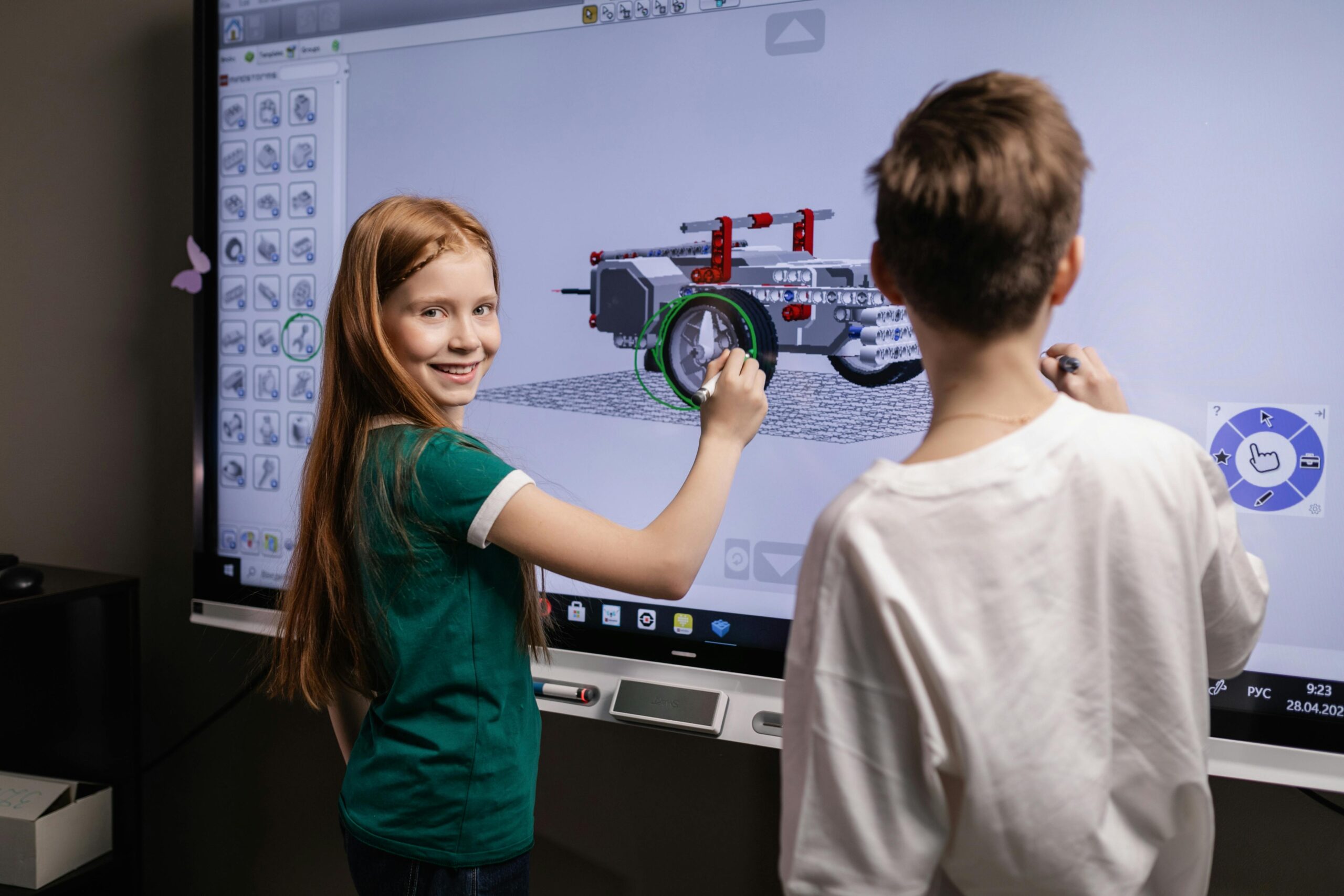
Integrating physical computing devices like programmable robots, micro:bits, or Arduino boards with block coding takes engagement to new levels. Students see their code control physical objects, bridging the digital-physical divide. A robot navigating a maze becomes a tangible representation of algorithmic thinking. LED displays showing sensor data make abstract concepts concrete.
These extensions also naturally integrate STEAM learning. Students apply mathematical concepts to calculate angles and distances. They investigate scientific principles through sensor data collection. Engineering design thinking guides iterative project development. Artistic expression shapes the aesthetics of physical creations. This interdisciplinary approach reflects how technology actually works in the world.
🎓 Professional Development for Educator Success
Teachers need adequate support and professional development to effectively facilitate block coding challenges. Fortunately, numerous free resources exist specifically designed for educators with limited coding backgrounds. Organizations like Code.org, CS First, and Scratch Educators provide lesson plans, video tutorials, and teacher communities.
The most effective professional development emphasizes teachers as co-learners with students rather than coding experts. Teachers who model problem-solving, embrace mistakes as learning opportunities, and explore alongside students create the most innovative classroom environments. This facilitator role feels more comfortable for many educators than traditional expert positioning.
🚪 Opening Doors to Future Opportunities
Early exposure to block coding challenges opens doors students might not have known existed. Many students discover passion and aptitude for technology through these accessible entry points. Even students who don’t pursue technology careers benefit from computational thinking skills that enhance problem-solving across all fields.
The confidence students gain from successfully completing coding challenges extends beyond technical skills. Students learn they can tackle complex problems by breaking them into manageable steps. They develop persistence when solutions aren’t immediately apparent. They experience the satisfaction of creating something functional and sharing it with others. These experiences shape self-efficacy and open students to embracing future challenges.
🌍 Building Global Connections Through Code
Block coding platforms with online sharing features connect classroom walls to global communities. Students in rural schools collaborate with peers across continents. Cultural exchange happens naturally when students share projects reflecting their communities and interests. These connections build digital citizenship skills and global awareness while celebrating diversity.
Teachers facilitate meaningful global projects by connecting with classrooms in different regions to tackle shared challenges. Students might code simulations comparing climate patterns, create multilingual learning games, or develop solutions to universal problems like water conservation. These collaborations demonstrate technology’s power to unite people across differences toward common goals.
✨ Sustaining Innovation Beyond Initial Enthusiasm
Maintaining momentum with block coding challenges requires intentional planning beyond initial implementation. Regular showcase events where students demonstrate projects to parents and community members sustain enthusiasm and accountability. Coding clubs provide dedicated space for students passionate about extending their learning beyond classroom time.
Integrating coding challenges across curriculum areas ensures students see computational thinking as relevant to all learning rather than isolated to technology class. Math teachers might use coding to explore fractals. Social studies classes could code interactive historical timelines. Science students might program data visualizations. This integration reinforces that coding is a universal tool for learning and expression.
The transformation of classrooms into innovation hubs through block coding challenges represents more than teaching technical skills. It fundamentally reshapes how students see themselves as learners and creators. When students recognize they can imagine solutions and bring them to life through code, they develop agency and creative confidence that transcends any single subject area. This empowerment prepares students not just for future careers but for active citizenship in an increasingly technology-driven world where creative problem-solving determines success.