
Building with blocks can be incredibly rewarding, but beginners often stumble over the same avoidable mistakes that can turn exciting projects into frustrating experiences.

🧱 Why Block Building Skills Matter More Than You Think
Whether you’re diving into Minecraft, exploring creative construction games, or learning modular design principles, block building represents a fundamental skill that bridges creativity and logic. The beauty of block-based construction lies in its simplicity, yet this apparent ease often leads newcomers to overlook critical fundamentals that separate amateur attempts from professional-quality builds.
Understanding common mistakes before you make them saves countless hours of frustration and demolition. Every experienced builder has a history of collapsed structures, misaligned patterns, and resource-wasting errors. The difference between someone who gives up and someone who develops true mastery often comes down to recognizing these pitfalls early and implementing proper techniques from the start.
Block building teaches spatial reasoning, planning, resource management, and creative problem-solving. These skills translate beyond gaming into real-world applications like architecture, engineering, and design thinking. When you learn to build correctly with blocks, you’re developing a mental framework that applies to numerous creative and technical pursuits.
🚫 The Foundation Fallacy: Starting Without Proper Planning
The single most common mistake beginners make is rushing into construction without establishing a solid foundation. Excitement to see results often overrides the patience needed for proper planning. This enthusiasm, while admirable, leads to structural problems that become exponentially more difficult to fix as your build progresses.
A proper foundation isn’t just about the physical base of your structure. It encompasses understanding the scope of your project, gathering necessary resources, and creating at least a mental blueprint of what you want to achieve. Professional builders spend significant time in the planning phase, sometimes longer than the actual construction.
Consider the terrain and environment where you’re building. Many beginners select locations based purely on aesthetics without considering practical factors like available space, ground stability, or proximity to resources. A beautiful hillside might seem perfect until you realize half your structure hangs precariously over a cliff or that you need to flatten massive areas just to create workable space.
Creating Your Building Blueprint
Even informal planning dramatically improves outcomes. Sketch your ideas on paper, use planning tools, or build a small-scale model first. This approach reveals design flaws and proportion issues before you’ve committed significant resources. Professional builders often create multiple iterations of smaller test builds to refine their techniques.
Measure twice, build once isn’t just a carpentry saying—it applies perfectly to block construction. Count out dimensions before placing blocks, use reference markers to maintain symmetry, and establish clear boundaries for your project. These simple habits prevent the heartbreak of discovering your doorway is one block too narrow or your tower leans slightly because you miscounted early on.
🎨 Color and Texture Chaos: The Random Block Syndrome
Beginners often fall into the trap of using whatever blocks are readily available without considering visual cohesion. This “random block syndrome” results in structures that look chaotic and unplanned, even when the underlying architecture is sound. Professional builders understand that material selection is as important as structural design.
Color theory matters in block building just as it does in painting or graphic design. Complementary colors create visual interest, while too many competing hues produce sensory overload. Start with a limited palette—choose two or three primary materials and perhaps one or two accent blocks for details. This restraint creates a unified aesthetic that immediately elevates your builds.
Texture variation adds depth and interest without introducing color chaos. Combining smooth and rough textures, or incorporating blocks with different patterns, creates visual complexity while maintaining color harmony. Notice how professional builds use texture transitions to define areas, highlight features, and guide the viewer’s eye through the structure.
The Power of Intentional Contrast
Strategic contrast makes features pop and prevents monotony. Use darker blocks to create shadows and depth, lighter blocks to highlight edges and important elements. This technique, called “shading” in the building community, transforms flat-looking walls into structures with apparent depth and dimension.
Avoid using every block type in your inventory just because you have them. Professional builders often impose artificial limitations, challenging themselves to create interesting designs with restricted material palettes. These constraints force creative solutions and result in more cohesive final products.
⚖️ Scale and Proportion Problems That Scream Amateur
Getting scale right is notoriously difficult for beginners. Doors become tiny compared to buildings, windows sit awkwardly spaced, and rooms feel either cramped or cavernously empty. These proportion problems immediately identify beginner work, even when individual elements are well-executed.
Human-scale reference points provide the solution. Most block systems use consistent measurements where specific block counts represent realistic dimensions. A standard door typically occupies two blocks high by one block wide. Windows work best with odd-numbered spacing to allow proper centering. Rooms feel comfortable when they’re at least five by five blocks, with ceiling heights of four blocks minimum.
Furniture and interior elements reveal scale problems instantly. If your bed occupies half the room or your table is taller than your doors, proportions need adjustment. Use these objects as scale references, placing them early in your build to ensure rooms are appropriately sized before walls are finalized.
The Big Build Mistake
Beginners frequently build too large, creating massive empty structures that feel lifeless and are difficult to detail properly. While epic scale has its place, smaller builds with careful attention to detail often impress more than enormous empty shells. Start modestly and expand as your skills develop.
Vertical proportion deserves special attention. Buildings that are too tall and narrow look unstable, while excessively wide structures appear squashed. Classical architecture uses ratios that feel naturally balanced—study these proportions and adapt them to your block building for immediately more professional results.
🔧 Structural Integrity: When Buildings Don’t Just Look Bad, They Fall Down
In games with physics or structural requirements, ignoring load-bearing principles leads to catastrophic collapses. Even in creative modes without consequences, structures lacking apparent support look unstable and unrealistic. Understanding basic structural principles separates confident builds from ones that appear ready to topple.
Support large spans with visible pillars, beams, or buttresses. When creating rooms larger than eight by eight blocks, incorporate internal supports or ceiling reinforcement. These elements don’t just serve function—they add visual interest and architectural character. Flying structures without apparent support mechanisms always look amateur unless specifically designed as magical or futuristic builds.
Cantilevers and overhangs add dynamic visual interest but require careful balancing. Professional builders ensure overhanging sections have visible support elements, even in creative contexts. Beams extending from walls, angled supports, or decorative corbels communicate structural thoughtfulness and add medieval, classical, or modern architectural flavor.
The Physics of Block Placement
Even in games without real physics, following real-world structural logic makes builds more believable. Heavy materials like stone logically support lighter materials like wood. Foundations should be wider than upper floors. Roofs need adequate wall support. These intuitive principles, when followed, produce structures that feel solid and permanent.
Stability perception matters as much as actual stability. Buildings with narrow bases and wide tops create visual anxiety. Center your mass appropriately, ensuring structures appear grounded and secure. This psychological aspect of building is often overlooked but dramatically impacts how viewers respond to your creations.
💡 Lighting: The Forgotten Element of Great Builds
Inadequate lighting is a telltale sign of beginner work. Dark corners, unevenly lit spaces, and visible light source grids immediately lower build quality. Professional builders treat lighting as integral to design, not an afterthought to prevent mob spawning or enable visibility.
Hidden lighting creates ambiance without cluttering your aesthetic. Conceal light sources behind semi-transparent blocks, under floors, or within architectural features. This technique provides necessary illumination while maintaining clean visual lines. Experiment with different light levels to create mood—brighter areas feel active and welcoming, while dimmer spaces appear intimate or mysterious.
Natural lighting through windows, skylights, and open designs reduces artificial lighting needs and creates dynamic spaces that change with time of day. Position windows thoughtfully, considering both interior lighting needs and external façade appearance. Multiple smaller windows often work better than single large openings, providing better light distribution and more interesting interior and exterior visuals.
Strategic Light Placement
Space light sources every eight to twelve blocks depending on brightness. This spacing prevents obvious patterns while ensuring adequate coverage. Vary heights and positions to create natural-feeling illumination that doesn’t scream “I placed these in a grid pattern.”
Colored lighting, when available, adds tremendous atmosphere. Warm tones create cozy residential spaces, cool tones suggest modern or industrial settings, and colored accents highlight specific areas or create thematic environments. Use colored lighting sparingly—subtle touches are more effective than overwhelming chromatic displays.
🏗️ Detailing: The Difference Between Good and Great
Bare, flat surfaces immediately identify beginner work. Professional builds incorporate layers, depth, and small details that transform simple structures into captivating creations. Detailing doesn’t require advanced techniques—often the simplest additions make the biggest impact.
Add depth by varying wall surfaces. Inset windows slightly, extend roof eaves beyond walls, create pillars that protrude from façades, or add balconies and ledges. Even one block of depth variation dramatically improves visual interest. Walk around professional builds and notice how rarely you encounter completely flat surfaces.
Small details breathe life into builds: flower boxes under windows, varied roofing materials, decorative trim around doorways, fence railings, external lighting fixtures, and textural accents. These elements take minimal time but signal attention to craft. Professional builders know that viewers may not consciously notice each small detail, but the cumulative effect is unmistakable.
The Gradient Technique
Material gradients create sophisticated transitions between building sections or from structure to landscape. Gradually shift from one block type to another, using intermediate shades or textures to smooth the transition. This technique appears frequently in professional builds but rarely in beginner work, making it an easy way to elevate your constructions.
Don’t over-detail. Too many competing elements create visual noise. Professional builders know when to stop, leaving some areas simple to highlight detailed sections. Varying detail density directs attention and prevents viewer fatigue.
🎯 Learning From Reference: The Smart Builder’s Advantage
Attempting to reinvent architecture from scratch is an unnecessary struggle. Professional builders constantly reference real-world architecture, other builds, and design principles. This isn’t copying—it’s learning the language of design to develop your own voice.
Study buildings in your daily life. Notice how windows are proportioned, where decorative elements appear, how rooflines create visual interest, and what makes certain structures appealing. Photography architecture that catches your eye and analyze what makes it work. These observations directly translate to better block building.
The building community offers endless inspiration and tutorials. Watch experienced builders work, noting their techniques, material choices, and design processes. Most professionals share their knowledge freely, understanding that learning from others strengthens the entire community. Don’t be afraid to adapt techniques you admire—originality comes from combining influences in unique ways.
Creating Your Reference Library
Collect screenshots, photos, and sketches of designs you admire. Organize them by style, structure type, or technique. This personal reference library becomes invaluable when planning new projects or solving specific design challenges. Professional builders maintain extensive collections that inform their work without dictating it.
Challenge yourself to recreate complex builds occasionally. This exercise, common in traditional art training, rapidly develops skills and reveals techniques you might otherwise miss. You’ll discover solutions to problems you haven’t encountered yet, building a mental toolkit for future original projects.
🚀 Iteration: Why Your First Build Should Never Be Your Last
Perfectionism paralyzes beginners. The fear of making mistakes prevents experimentation and growth. Professional builders understand that every project teaches lessons that improve the next one. Your first castle will be mediocre—that’s not just acceptable, it’s necessary for progress.
Build quickly at first, prioritizing completion over perfection. Finished projects, even flawed ones, teach more than abandoned perfectionist attempts. You’ll identify mistakes in completed builds that aren’t apparent during construction. These revelations directly improve your next project, creating rapid skill development.
Return to old builds periodically and renovate them with your improved skills. This practice demonstrates your progress tangibly and allows you to apply new techniques to familiar structures. Many professional builders maintain signature worlds where they continuously refine and expand earlier work.
The Practice Project Approach
Dedicate specific builds to practicing particular skills. Create a structure focused entirely on roof design, another exploring lighting techniques, or one experimenting with color palettes. These focused practice sessions develop specific competencies faster than trying to perfect everything simultaneously in ambitious projects.
Document your journey with screenshots or videos. Comparing early and later work provides motivation during skill plateaus and reminds you how far you’ve progressed. This documentation also helps other beginners, contributing to the community that supported your learning.
🎓 Building Your Builder Mindset for Long-Term Success
Technical skills matter, but mindset determines whether you’ll persist long enough to develop them. Professional builders share common mental approaches that sustain their practice and continuous improvement. Cultivating these attitudes accelerates your journey from beginner to accomplished builder.
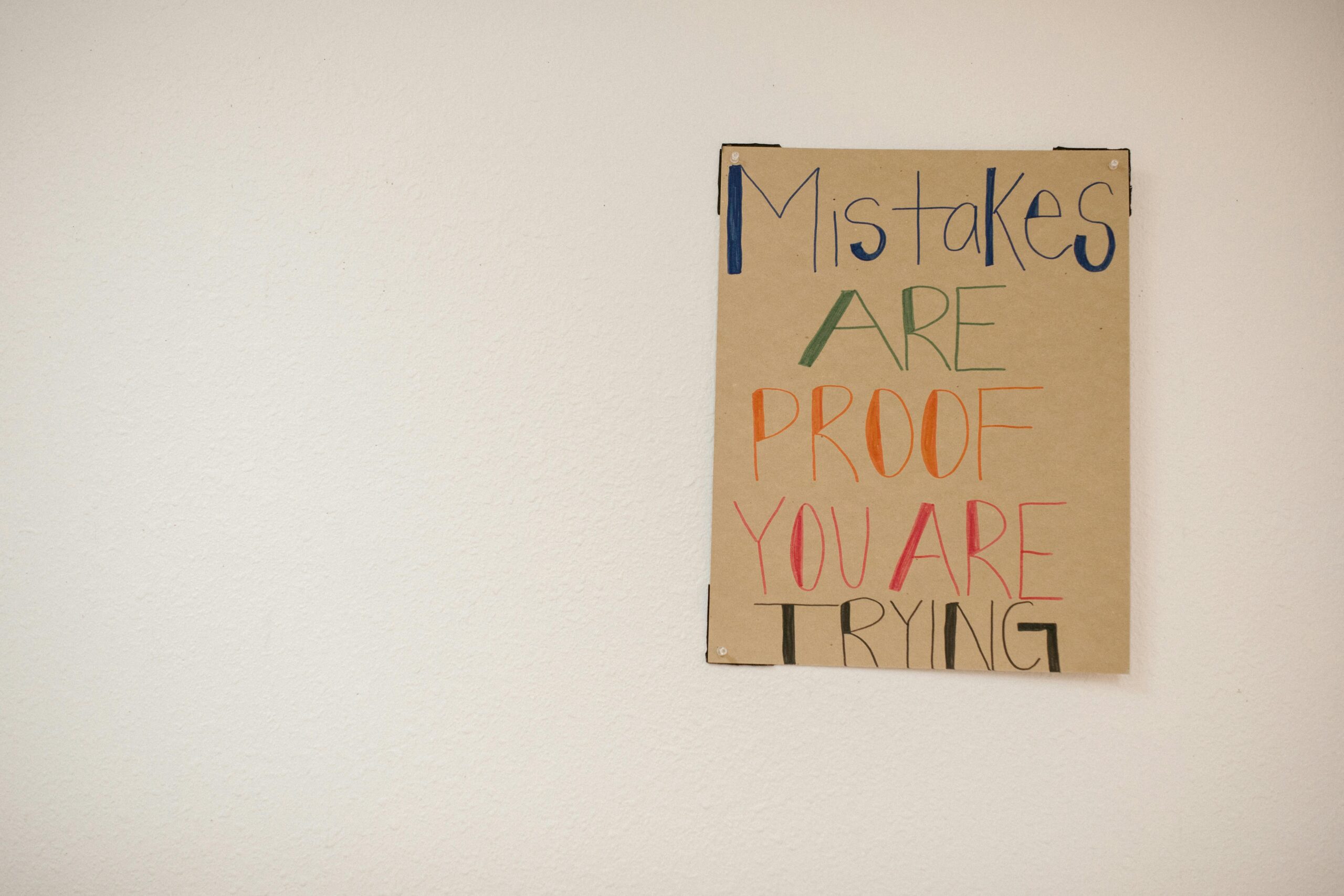
Embrace mistakes as teaching tools rather than failures. Every collapsed structure, misaligned wall, or ugly color combination reveals something important about building principles. Professionals have made every mistake you’re encountering—the difference is they analyzed what went wrong and adjusted their approach accordingly.
Patience with process separates hobbyists from serious builders. Large projects require sustained effort over extended periods. Breaking ambitious builds into phases with clear milestones prevents overwhelm and provides regular completion satisfaction. Celebrate finishing sections rather than waiting until entire projects are complete to feel accomplished.
Join building communities to share work, receive feedback, and stay motivated. Constructive criticism from experienced builders accelerates improvement dramatically. These communities also provide inspiration during creative dry spells and technical assistance when you encounter specific challenges.
🌟 Transform Your Builds Starting Today
Avoiding common mistakes doesn’t require advanced skills or years of experience—it demands awareness and intentional practice. Every professional builder started exactly where you are now, making the same errors and experiencing similar frustrations. The difference is they recognized patterns in their mistakes and systematically addressed them.
Start your next build with proper planning, establishing clear goals and gathering resources before placing the first block. Choose a cohesive material palette that reflects your intended aesthetic. Consider scale carefully, using human-proportioned reference points to ensure comfortable dimensions. Incorporate visible structural support even in creative contexts. Plan lighting as part of your design, not as an afterthought. Add depth and details to transform flat surfaces into engaging architecture.
Most importantly, commit to continuous learning. Each build teaches lessons that the next one will implement. Your tenth structure will make your first look embarrassingly simple—and that’s exactly what growth looks like. Professional builders never stop learning, experimenting, and refining their craft. Neither should you.
The journey from beginner to accomplished builder is filled with challenges, but it’s also incredibly rewarding. Every technique you master, every principle you understand, and every detail you perfect expands your creative capabilities. Start applying these principles today, and watch your builds transform from obvious amateur work to structures that make viewers ask, “How did you create that?” The answer, as you now know, lies not in secret techniques but in avoiding common mistakes and building with intention, patience, and continuous improvement.