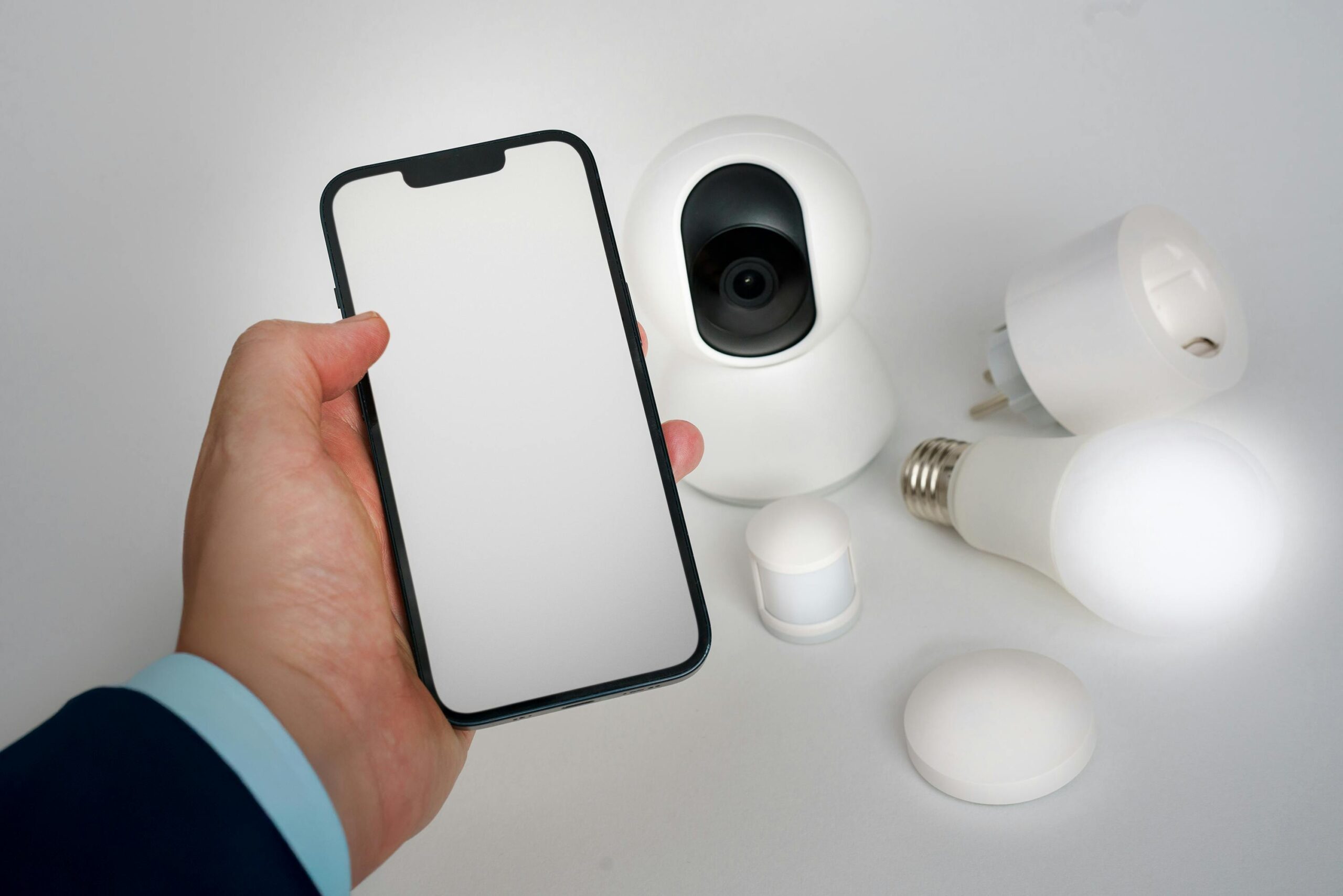
Sensor technology is transforming robotics at an unprecedented pace, enabling machines to perceive, interact, and respond to their environment with remarkable precision and intelligence.

🤖 The Sensory Revolution in Modern Robotics
The integration of advanced sensor technology into robotics represents one of the most significant technological leaps of the 21st century. Modern robots are no longer mere mechanical systems following pre-programmed instructions; they have evolved into sophisticated entities capable of understanding and adapting to complex, dynamic environments. This transformation is fundamentally driven by sensors that serve as the robot’s sensory organs, providing critical data about surroundings, objects, obstacles, and even human intentions.
The convergence of sensor technology with artificial intelligence, machine learning, and advanced computing has created a new generation of interactive robots. These machines can now perform tasks that were once considered exclusive to human capabilities, from delicate surgical procedures to navigating unpredictable terrain in disaster zones. The sensor revolution is not just improving existing robotic applications; it’s creating entirely new possibilities across industries including healthcare, manufacturing, agriculture, logistics, and entertainment.
Understanding the Core Sensor Technologies Powering Robots
The effectiveness of any robotic system depends heavily on the quality and variety of sensors integrated into its design. Different sensor types provide distinct capabilities, and the strategic combination of multiple sensors creates what engineers call “sensor fusion” – a comprehensive understanding of the robot’s operational environment.
Vision Sensors: The Eyes of Intelligent Machines 👁️
Vision sensors, including cameras and various optical systems, form the foundation of robotic perception. Standard cameras capture visual information similar to human sight, while specialized systems offer enhanced capabilities. Stereo vision cameras provide depth perception, essential for navigation and object manipulation. Infrared cameras enable robots to operate in low-light or complete darkness, critical for security applications and nocturnal operations.
Time-of-Flight cameras and LiDAR systems generate precise three-dimensional maps of environments by measuring the time light takes to bounce back from objects. These technologies are particularly valuable in autonomous vehicles and mobile robots that must navigate complex spaces. The data from vision sensors feeds into sophisticated image processing algorithms that identify objects, recognize faces, read text, and interpret visual cues that guide robotic decision-making.
Proximity and Distance Sensors: Spatial Awareness
Proximity sensors enable robots to detect nearby objects without physical contact, essential for collision avoidance and safe operation around humans. Ultrasonic sensors emit sound waves and measure their reflection, providing reliable distance measurements in various conditions. Infrared proximity sensors offer fast response times and work well for detecting objects within short ranges.
Laser range finders deliver exceptional accuracy for measuring distances, making them ideal for precision applications in manufacturing and construction robotics. Capacitive sensors detect changes in electrical fields, allowing robots to sense objects through non-metallic barriers. These proximity technologies work together to create an invisible protective bubble around robots, preventing accidents and enabling smooth navigation through crowded or cluttered environments.
Force and Tactile Sensors: The Sense of Touch
The ability to gauge applied force and experience tactile feedback revolutionizes how robots interact with objects and humans. Force sensors measure the pressure exerted during grasping, lifting, or assembly operations, enabling robots to handle delicate items without damage. This capability is transforming industries like food processing, where robots must handle products with varying fragility, and electronics assembly, where components require gentle yet secure handling.
Advanced tactile sensors mimic human skin’s sensitivity, detecting texture, temperature, and pressure distribution. These sensors enable robots to adjust their grip dynamically, recognize materials through touch, and perform tasks requiring nuanced manipulation. Collaborative robots, or cobots, rely heavily on force-torque sensors to work safely alongside humans, immediately detecting unexpected contact and responding appropriately.
Inertial Measurement Units: Balance and Movement Precision
Inertial Measurement Units (IMUs) combine accelerometers, gyroscopes, and magnetometers to track a robot’s position, orientation, and movement in three-dimensional space. These sensors are crucial for maintaining balance in humanoid and legged robots, stabilizing drones during flight, and enabling accurate navigation when GPS signals are unavailable or unreliable.
Accelerometers measure linear acceleration, detecting changes in velocity and orientation relative to gravity. Gyroscopes track rotational movement around different axes, providing data essential for maintaining stability during dynamic maneuvers. Magnetometers sense magnetic fields, functioning as digital compasses that help robots maintain directional awareness. The fusion of these measurements creates a comprehensive understanding of motion that enables robots to move with grace, precision, and adaptability.
🔊 Audio Sensors: Hearing and Voice Recognition
Microphones and advanced audio processing systems give robots the ability to hear and interpret sounds in their environment. This capability extends beyond simple noise detection to sophisticated voice recognition, speaker identification, and acoustic analysis. Service robots use audio sensors to receive verbal commands from users, making interaction more natural and accessible.
Directional microphone arrays help robots localize sound sources, enabling them to turn toward a speaking person or identify the origin of unusual noises that might indicate equipment malfunction or safety hazards. In manufacturing environments, acoustic sensors detect abnormal vibrations or sounds that signal maintenance needs before catastrophic failures occur. The integration of natural language processing with audio sensors creates conversational robots capable of understanding context, emotion, and intent in human speech.
Environmental Sensors: Contextual Awareness
Environmental sensors monitor conditions like temperature, humidity, air quality, pressure, and chemical composition. These sensors are particularly valuable in robots designed for hazardous environments, agricultural applications, and climate-controlled facilities. Temperature sensors help robots avoid thermal damage to themselves or materials they handle, while humidity sensors guide operations in environments where moisture levels affect product quality or equipment performance.
Gas sensors detect potentially dangerous substances, making robots ideal for exploring toxic environments, monitoring industrial processes, or conducting search and rescue operations in disaster scenarios. Light sensors adjust robot behavior based on ambient lighting conditions, optimizing camera settings or triggering alternative navigation methods in darkness. This environmental awareness enables robots to adapt their operations to changing conditions automatically, enhancing reliability and safety.
Sensor Fusion: Creating Comprehensive Robotic Intelligence
The true power of sensor technology in robotics emerges through sensor fusion – the intelligent integration of data from multiple sensor types. No single sensor provides complete environmental understanding; each has limitations, blind spots, or conditions where performance degrades. By combining complementary sensors, robots achieve robust perception that exceeds what any individual sensor could deliver.
Advanced algorithms process streams of data from diverse sensors simultaneously, resolving conflicts, filling gaps, and creating unified representations of the environment. For example, an autonomous mobile robot might combine LiDAR mapping, camera images, ultrasonic proximity detection, and IMU motion data to navigate reliably through complex spaces. If one sensor type fails or becomes unreliable due to environmental conditions, others compensate, maintaining operational capability.
Machine learning techniques enhance sensor fusion by identifying patterns and relationships in multi-sensor data that manual programming might miss. Neural networks trained on vast datasets learn to interpret ambiguous situations by weighing evidence from different sensors according to context and historical reliability. This approach creates adaptive perception systems that improve with experience, becoming more accurate and confident over time.
⚡ Real-World Applications Transforming Industries
Healthcare and Surgical Robotics
In medical applications, sensor technology enables robots to perform procedures with superhuman precision and consistency. Surgical robots equipped with force sensors provide haptic feedback to surgeons, replicating the sense of touch during minimally invasive procedures. Vision systems with magnification and stabilization allow surgeons to operate on structures invisible to the naked eye, while motion sensors filter out natural hand tremors for steady instrument control.
Rehabilitation robots use force and position sensors to guide patients through therapeutic exercises, adjusting resistance and movement patterns based on real-time performance. Care robots equipped with environmental sensors monitor patient rooms, detecting falls, tracking vital signs through non-contact methods, and ensuring safe conditions for vulnerable individuals. These applications demonstrate how sensor technology extends human capabilities and improves healthcare outcomes.
Manufacturing and Industrial Automation
Manufacturing environments have been transformed by sensor-equipped robots that bring flexibility, quality, and safety to production lines. Vision systems inspect products at speeds impossible for human workers, detecting microscopic defects and ensuring consistent quality. Force sensors enable precise assembly operations where components must fit together within tight tolerances without damage.
Collaborative robots share workspaces with human workers, using proximity sensors and force monitoring to operate safely without protective barriers. These cobots stop instantly when detecting unexpected contact, preventing injuries while maintaining productivity. Environmental sensors monitor factory conditions, adjusting robot operations when temperature, humidity, or air quality changes affect materials or processes.
Agriculture: Precision Farming Revolution 🌾
Agricultural robots leverage sensor technology to optimize crop management and reduce resource waste. Vision systems identify individual plants, distinguishing crops from weeds and assessing ripeness for selective harvesting. Multispectral cameras detect plant health issues invisible to human observers, enabling targeted treatment of disease or nutrient deficiencies before they spread.
Soil sensors measure moisture, nutrient content, and compaction, guiding precision irrigation and fertilization that maximize yields while minimizing environmental impact. GPS combined with IMU sensors enables autonomous tractors and harvesters to follow optimal paths with centimeter-level accuracy, reducing overlap and fuel consumption. These technologies are making agriculture more sustainable and productive, addressing food security challenges for growing populations.
Logistics and Warehouse Automation
The explosion of e-commerce has driven rapid adoption of sensor-enabled robots in logistics operations. Mobile robots navigate warehouse floors using LiDAR mapping and vision systems, transporting goods efficiently while avoiding obstacles and human workers. Robotic arms with vision and force sensors pick diverse items from bins, adapting their grip to handle everything from soft fabrics to rigid electronics.
Inventory management robots equipped with cameras and RFID readers autonomously scan shelves, maintaining accurate stock records and identifying misplaced items. These systems operate continuously, dramatically improving warehouse efficiency and accuracy while reducing the physical strain on human workers who previously performed these repetitive tasks.
Emerging Sensor Technologies Shaping the Future
The sensor revolution in robotics continues to accelerate as new technologies emerge from research laboratories. Flexible and soft sensors made from advanced materials enable robots with compliant, adaptable bodies that safely interact with delicate objects and navigate confined spaces. These sensors bend, stretch, and conform to irregular surfaces, providing tactile feedback across the entire body rather than just at specific contact points.
Neuromorphic sensors mimic biological systems, processing information at the sensor level rather than transmitting raw data to central processors. This approach dramatically reduces latency and power consumption while enabling real-time responses to fast-changing conditions. Event-based vision sensors, inspired by biological eyes, capture changes in scenes rather than full frames, offering exceptional temporal resolution for tracking rapid movements.
Chemical and biological sensors are expanding robotic capabilities into molecular detection. Robots equipped with these sensors can identify specific substances in air or water samples, detect pathogens, or monitor biochemical processes. These capabilities open applications in environmental monitoring, disease detection, and quality control for pharmaceuticals and food products.
🚀 Overcoming Challenges in Sensor Integration
Despite tremendous progress, integrating sensor technology into robotics presents ongoing challenges. Power consumption remains a critical constraint, especially for mobile and wearable robots where battery capacity limits operational duration. Advanced sensors often require significant computational resources for data processing, creating tradeoffs between capability and energy efficiency.
Sensor reliability in harsh environments poses another challenge. Industrial robots operating in extreme temperatures, corrosive atmospheres, or high-vibration settings need robust sensors that maintain accuracy despite adverse conditions. Waterproofing, dust protection, and shock resistance add complexity and cost to sensor systems while potentially limiting performance.
Data security and privacy concerns grow as robots equipped with cameras, microphones, and connectivity features operate in sensitive environments. Ensuring that sensor data is protected from unauthorized access while maintaining the responsiveness needed for real-time control requires sophisticated security architectures. Regulations governing data collection, storage, and use vary across jurisdictions, complicating deployment of robotic systems in global markets.
The Human-Robot Collaboration Paradigm
Perhaps the most profound impact of sensor technology in robotics is enabling genuine collaboration between humans and machines. Traditional industrial robots operated in caged areas, separated from workers for safety. Sensor-equipped collaborative robots share workspaces with people, combining human judgment and dexterity with robotic strength and consistency.
This collaboration extends beyond manufacturing to service environments where robots assist rather than replace humans. Social robots in education, hospitality, and eldercare use sensors to recognize individuals, interpret emotions through facial expressions and voice tone, and adapt their behavior to user preferences. These interactions feel increasingly natural as sensor technology improves, reducing the uncanny valley effect and building trust between humans and robots.
Programming and Artificial Intelligence Integration 🧠
The effectiveness of sensor technology depends heavily on the software that interprets sensor data and translates it into robotic actions. Modern robotics increasingly relies on artificial intelligence and machine learning to make sense of complex, ambiguous sensor inputs. Deep learning algorithms trained on massive datasets recognize objects, predict movements, and make decisions with remarkable accuracy.
Reinforcement learning enables robots to improve performance through trial and error, discovering optimal strategies for tasks without explicit programming. Sensors provide the feedback that guides this learning process, telling the robot whether actions achieved desired outcomes. This approach is particularly valuable for tasks that are difficult to program explicitly, such as grasping irregularly shaped objects or navigating unpredictable environments.
Edge computing brings artificial intelligence processing directly to robotic platforms, reducing latency and enabling real-time responses. Rather than sending sensor data to cloud servers for analysis, on-board processors run neural networks and decision algorithms locally. This architecture enhances reliability by reducing dependence on network connectivity and improves privacy by keeping sensitive sensor data on the device.
Economic and Societal Implications
The sensor-driven robotics revolution carries significant economic implications. Industries adopting advanced robotic systems gain competitive advantages through improved quality, reduced costs, and enhanced flexibility. However, this transition also raises concerns about workforce displacement as robots assume tasks previously performed by humans.
Evidence suggests that while automation eliminates some job categories, it creates new opportunities in robot programming, maintenance, supervision, and integration. The net employment effect depends on how societies manage the transition, including education systems that prepare workers for collaboration with intelligent machines rather than competition against them.
Accessibility improvements represent another important societal benefit. Sensor-equipped assistive robots help individuals with disabilities achieve greater independence, performing tasks that physical limitations would otherwise make difficult or impossible. From robotic exoskeletons that enable mobility to voice-controlled home automation systems, these technologies enhance quality of life and social participation.
Building Tomorrow’s Interactive Robots Today 🔧
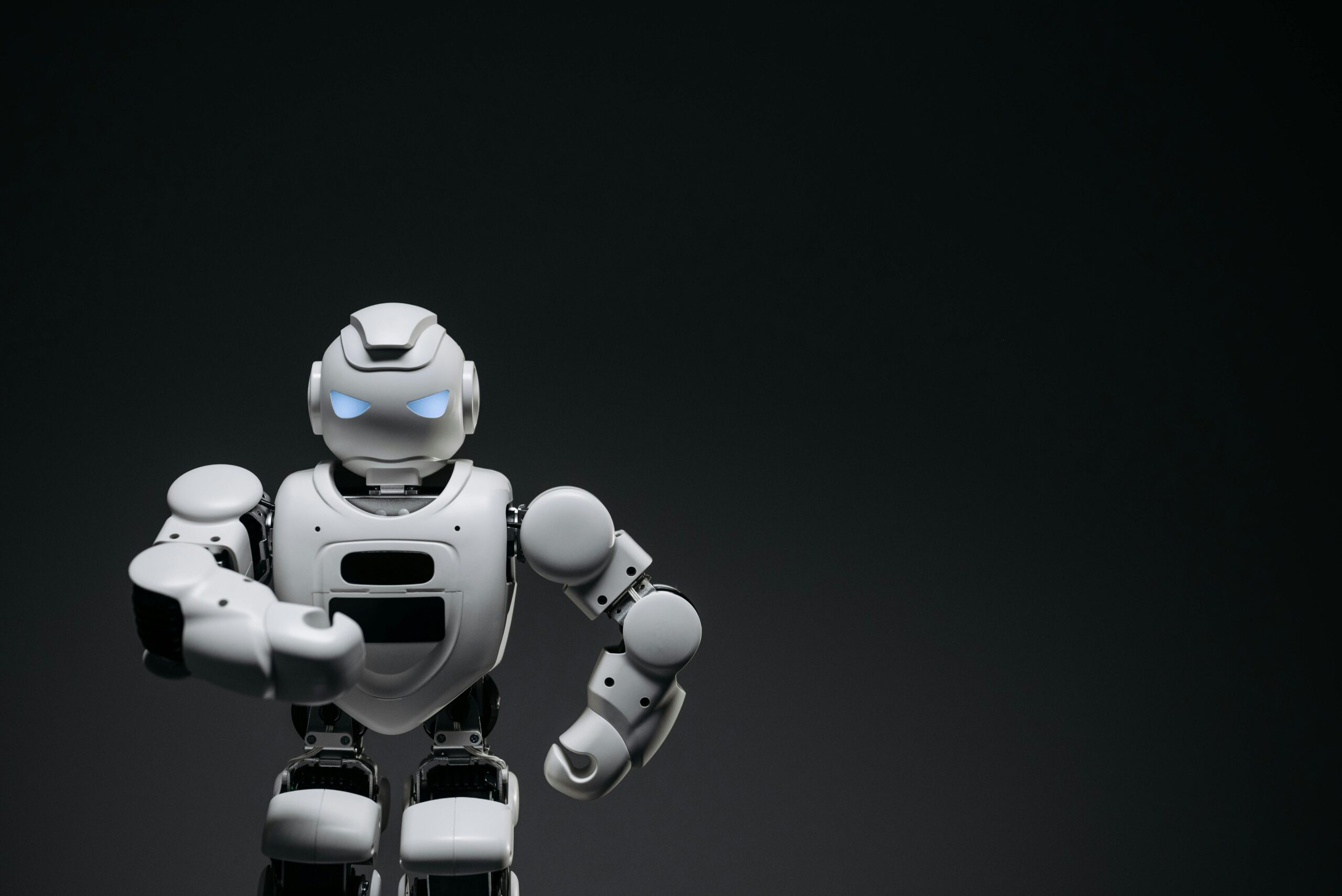
The convergence of sensor technology, artificial intelligence, advanced materials, and miniaturized electronics is unleashing the interactive potential of cutting-edge robots. These machines are transitioning from tools that require careful programming and supervision to partners that understand context, adapt to circumstances, and collaborate naturally with humans.
Success in this field requires multidisciplinary expertise spanning mechanical engineering, electrical engineering, computer science, materials science, and human factors. Development teams must balance competing demands for capability, cost, reliability, and safety while addressing ethical considerations around privacy, accountability, and equitable access to benefits.
Investment in sensor technology research continues to accelerate, driven by both commercial opportunities and societal challenges that robots might help address. From climate change and aging populations to space exploration and disaster response, the problems facing humanity increasingly require solutions that combine human insight with robotic capabilities enabled by sophisticated sensors.
The interactive robots emerging from this sensor revolution will reshape industries, redefine human-machine relationships, and expand the boundaries of what automated systems can achieve. As sensor technologies continue advancing in sensitivity, reliability, miniaturization, and affordability, the potential applications for intelligent robots will expand exponentially, touching virtually every aspect of modern life and work.
Organizations and individuals preparing for this future should focus on understanding the capabilities and limitations of current sensor technologies while maintaining awareness of emerging innovations. Building skills in sensor integration, data processing, and human-robot interaction design will prove increasingly valuable as robotics transitions from specialized industrial applications to ubiquitous presence across society.