Robotics is transforming education by creating pathways for students of all abilities to engage, learn, and thrive in environments designed with accessibility and inclusion at their core.

🤖 The Revolution of Inclusive Robotics in Modern Education
The landscape of education is undergoing a remarkable transformation as robotics activities evolve from exclusive tech domains into spaces where learners of all abilities can participate meaningfully. Inclusive robotics represents more than just adaptive technology—it embodies a fundamental shift in how we approach learning, problem-solving, and creativity in educational settings.
Traditional robotics programs often created unintentional barriers that excluded students with physical, cognitive, or sensory differences. Today’s inclusive approach dismantles these obstacles by designing activities that recognize diverse learning styles, physical capabilities, and cognitive processing methods. This paradigm shift ensures that robotics education becomes a universal opportunity rather than a privilege reserved for a select few.
Educational institutions worldwide are discovering that when robotics activities embrace universal design principles, everyone benefits. Students without disabilities gain exposure to diverse perspectives, develop empathy, and learn to design solutions that consider varied human experiences. Meanwhile, students with disabilities access powerful tools for expression, learning, and skill development that were previously out of reach.
Understanding the Spectrum of Abilities in Robotics Spaces
Creating truly inclusive robotics environments requires understanding the diverse range of abilities and challenges that students bring to learning spaces. Physical disabilities may affect fine motor skills needed for traditional robot assembly, while visual impairments can create challenges with visual programming interfaces. Cognitive differences might influence how students process sequential instructions or abstract concepts.
The beauty of robotics as an educational medium lies in its inherent flexibility. Unlike many traditional subjects with fixed methodologies, robotics activities can be adapted, modified, and reimagined to accommodate virtually any learning profile. This adaptability makes robotics an ideal vehicle for inclusive education when properly implemented.
Sensory processing differences, common among students with autism spectrum conditions, require consideration in robotics spaces. Bright lights, loud motors, and unpredictable movements can overwhelm some learners. Inclusive programs address these challenges through environmental modifications, sensory-friendly equipment options, and flexible participation models that allow students to engage at their comfort level.
Physical Accessibility Considerations
Physical accessibility in robotics extends beyond wheelchair-accessible workspaces. It encompasses everything from the height of work surfaces to the force required to connect components. Inclusive robotics kits feature larger, easier-to-grip pieces, magnetic connections that don’t require precise alignment, and modular designs that accommodate various manipulation strategies.
Students with limited mobility can participate fully through alternative input methods. Eye-tracking technology, voice commands, and switch-accessible interfaces enable students to program and control robots without traditional keyboards or mice. These adaptations don’t simplify the learning—they simply provide alternative pathways to the same rigorous educational outcomes.
Technology That Opens Doors: Adaptive Robotics Tools
The technological ecosystem supporting inclusive robotics has expanded dramatically in recent years. Hardware manufacturers now produce robotics kits specifically designed with universal accessibility in mind. These platforms feature tactile feedback for students with visual impairments, simplified assembly processes for those with motor challenges, and adjustable complexity levels for diverse cognitive abilities.
Software development has paralleled hardware advances, with programming environments offering multiple representation modes. Visual block-based coding, text-based programming, and hybrid approaches allow students to engage with coding concepts through their preferred modality. Screen readers, high-contrast interfaces, and customizable layouts ensure that programming tools themselves don’t become barriers to participation.
Assistive technology integration has become seamless in modern robotics platforms. Students can use their existing assistive devices—whether communication apps, screen magnifiers, or alternative input tools—directly with robotics equipment. This integration eliminates the need for students to abandon familiar tools when transitioning to robotics activities.
Virtual and Physical Learning Environments
The rise of robotics simulators has created new opportunities for inclusive participation. Virtual environments eliminate physical manipulation barriers entirely, allowing students to design, program, and test robots in digital spaces before or instead of physical construction. These simulators often include accessibility features built from the ground up, making them inherently more inclusive than retrofitted physical solutions.
Hybrid approaches combining physical and virtual elements offer the best of both worlds. Students might program in accessible virtual environments while peers or facilitators handle physical robot manipulation, or use telepresence robotics to interact with physical robots remotely through accessible interfaces.
Curriculum Design That Celebrates Diversity 🎓
Inclusive robotics curriculum goes beyond accessible tools to embrace pedagogical approaches that honor diverse learning profiles. Universal Design for Learning (UDL) principles guide curriculum development, ensuring multiple means of representation, expression, and engagement throughout robotics activities.
Project-based learning in inclusive robotics allows students to approach challenges from various angles. Rather than prescribing a single solution path, effective curricula present open-ended problems that students can solve using their unique strengths and available tools. One student might excel at mechanical design while another contributes programming expertise or creative problem-solving approaches.
Collaborative structures within inclusive robotics programs recognize that diversity strengthens teams. Mixed-ability groups create opportunities for peer learning, with students teaching each other and discovering that everyone brings valuable perspectives. This collaboration mirrors real-world engineering environments where diverse teams consistently outperform homogeneous ones.
Assessment Beyond Traditional Measures
Evaluating learning in inclusive robotics requires moving beyond conventional testing. Portfolio assessments, project demonstrations, and reflection activities capture learning that standardized tests miss. Students document their process, explain their thinking, and demonstrate understanding through formats that play to their strengths rather than highlighting their challenges.
Authentic assessment in robotics naturally accommodates diverse abilities. A student who struggles with written communication might excel at verbal explanation or video demonstration of their robot’s functionality. Another learner might create detailed technical drawings that communicate design thinking more effectively than any written report.
Training Educators for Inclusive Robotics Instruction
Even the most accessible robotics tools and thoughtful curricula require skilled facilitators to reach their inclusive potential. Professional development for educators must address both technical robotics knowledge and inclusive teaching practices. Teachers need confidence with adaptive technologies, understanding of various disabilities, and skills in creating welcoming learning environments.
Effective training programs emphasize asset-based perspectives that focus on student strengths rather than deficits. Educators learn to identify and leverage the unique capabilities each student brings, viewing differences as opportunities rather than obstacles. This mindset shift proves transformative in creating truly inclusive robotics spaces.
Ongoing support networks help educators navigate the complexities of inclusive robotics instruction. Professional learning communities, mentorship programs, and access to specialists in both robotics and special education provide crucial resources. No single educator needs to be an expert in everything—collaborative networks distribute expertise across teams.
Building Inclusive Learning Communities
The social dimension of inclusive robotics often determines success as much as technical accessibility. Creating psychologically safe spaces where all students feel valued and capable requires intentional community building. Facilitators establish norms around respect, curiosity, and mutual support that define the culture of robotics programs.
Representation matters tremendously in inclusive robotics. Students need to see people with similar abilities succeeding in STEM fields. Guest speakers, mentors, and role models with disabilities in robotics and engineering careers inspire students and challenge limiting assumptions about who can participate in technology fields.
Real-World Impact: Success Stories and Outcomes 🌟
The transformative power of inclusive robotics becomes tangible through student experiences and outcomes. Learners who previously disengaged from STEM subjects find new passion when robotics activities accommodate their learning needs. Students discover capabilities they didn’t know they possessed, building confidence that extends far beyond robotics competitions or classroom projects.
Academic outcomes consistently improve when robotics programs embrace inclusive practices. Students demonstrate stronger problem-solving skills, enhanced computational thinking, and improved collaboration abilities. These benefits accrue to all students, not just those with disabilities, confirming that inclusive design creates better learning experiences universally.
Long-term impacts include increased representation of people with disabilities in STEM education and careers. Students who participate in inclusive robotics programs pursue technical studies at higher rates and enter engineering, computer science, and related fields with confidence and preparation. This pipeline effect slowly but steadily diversifies the technology workforce.
Social-Emotional Growth Through Inclusive Robotics
Beyond technical skills, inclusive robotics nurtures crucial social-emotional competencies. Students develop resilience through iterative design processes where failure becomes a learning opportunity rather than a judgment on ability. Collaborative projects build communication skills and emotional intelligence as learners navigate group dynamics and shared decision-making.
Self-advocacy skills flourish in inclusive robotics environments where students learn to identify needed accommodations and communicate their requirements. These abilities prove invaluable throughout education and into adulthood, empowering individuals to seek and create accessible opportunities in various contexts.
Overcoming Implementation Challenges
Despite compelling benefits, implementing inclusive robotics programs presents real challenges that educators and institutions must address. Budget constraints often limit access to specialized equipment and professional development. Schools in under-resourced communities face particular difficulties acquiring adaptive robotics tools and training staff in inclusive practices.
Creative solutions help overcome financial barriers. Equipment-sharing partnerships between schools, grant funding targeted at inclusive STEM education, and open-source adaptive technologies reduce costs. Community partnerships with businesses, universities, and nonprofit organizations can provide resources, expertise, and funding that individual schools cannot access alone.
Attitudinal barriers sometimes prove more stubborn than practical obstacles. Misconceptions about student capabilities, fear of doing inclusion “wrong,” and resistance to changing established practices can impede progress. Addressing these barriers requires leadership commitment, ongoing education, and sharing success stories that challenge limiting assumptions.
Scaling Inclusive Practices
Moving from isolated inclusive robotics programs to widespread adoption requires systemic change. District-level policies that prioritize accessibility in technology purchases, state standards that embed inclusive practices in STEM education, and national initiatives that resource inclusive program development all contribute to scaling efforts.
Documentation and research play crucial roles in scaling inclusive robotics. Evidence-based practices, thoroughly documented implementation guides, and rigorous outcome studies provide the foundation for broader adoption. Practitioners need accessible resources that translate research into actionable strategies for diverse educational contexts.
The Future Landscape of Inclusive Robotics Education
Emerging technologies promise even greater accessibility in robotics education. Artificial intelligence can personalize learning experiences, automatically adjusting difficulty levels and providing individualized support. Brain-computer interfaces may eventually allow students with severe physical disabilities to control robots through thought alone, eliminating remaining manipulation barriers.
Virtual and augmented reality technologies create new dimensions for inclusive robotics. Students might design robots in immersive 3D environments using gesture controls, voice commands, or other accessible input methods. These technologies blur boundaries between physical and digital, opening possibilities we’re only beginning to imagine.
The growing maker movement and emphasis on hands-on STEM learning create cultural momentum for inclusive robotics. As more educators recognize the value of experiential learning, opportunities multiply for integrating accessible robotics activities across curricula and grade levels. This integration normalizes robotics as a universal learning tool rather than a specialized elective.
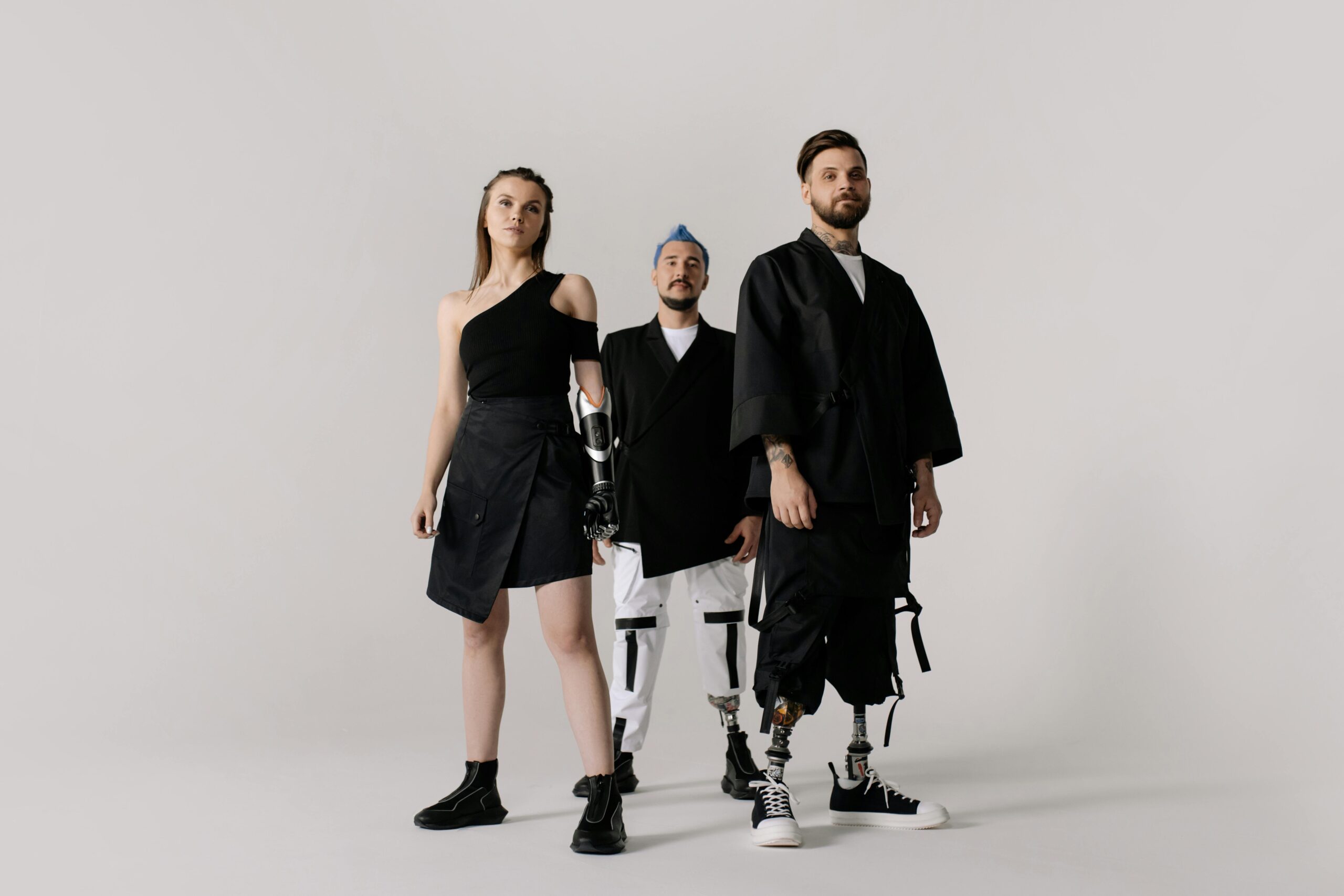
Creating Your Inclusive Robotics Program Today 🚀
Educators ready to launch or enhance inclusive robotics programs can begin with practical steps immediately. Start by auditing existing programs for accessibility barriers—physical, technological, and pedagogical. Engage students with disabilities as consultants, asking directly about challenges they face and modifications that would help them participate fully.
Invest in professional learning focused on both robotics content and inclusive teaching practices. Seek out training opportunities, connect with inclusive education specialists, and build knowledge gradually. Remember that creating inclusive programs is an iterative process; perfection isn’t required at the start, just commitment to continuous improvement.
Build partnerships strategically to access resources and expertise beyond your immediate reach. Connect with disability organizations, assistive technology specialists, local engineering firms, and university STEM education programs. These partnerships enrich programs while distributing the knowledge and resource burden across multiple stakeholders.
Inclusive robotics represents more than accommodating students with disabilities in existing programs—it fundamentally reimagines robotics education to harness the strengths of all learners. When we design learning experiences assuming diverse abilities from the outset, we create richer, more innovative, and ultimately more effective educational opportunities for everyone. The barriers we break down don’t just open doors for some students; they expand possibilities for all, preparing a generation of problem-solvers who understand that the best solutions emerge when we include all perspectives and abilities in the design process.