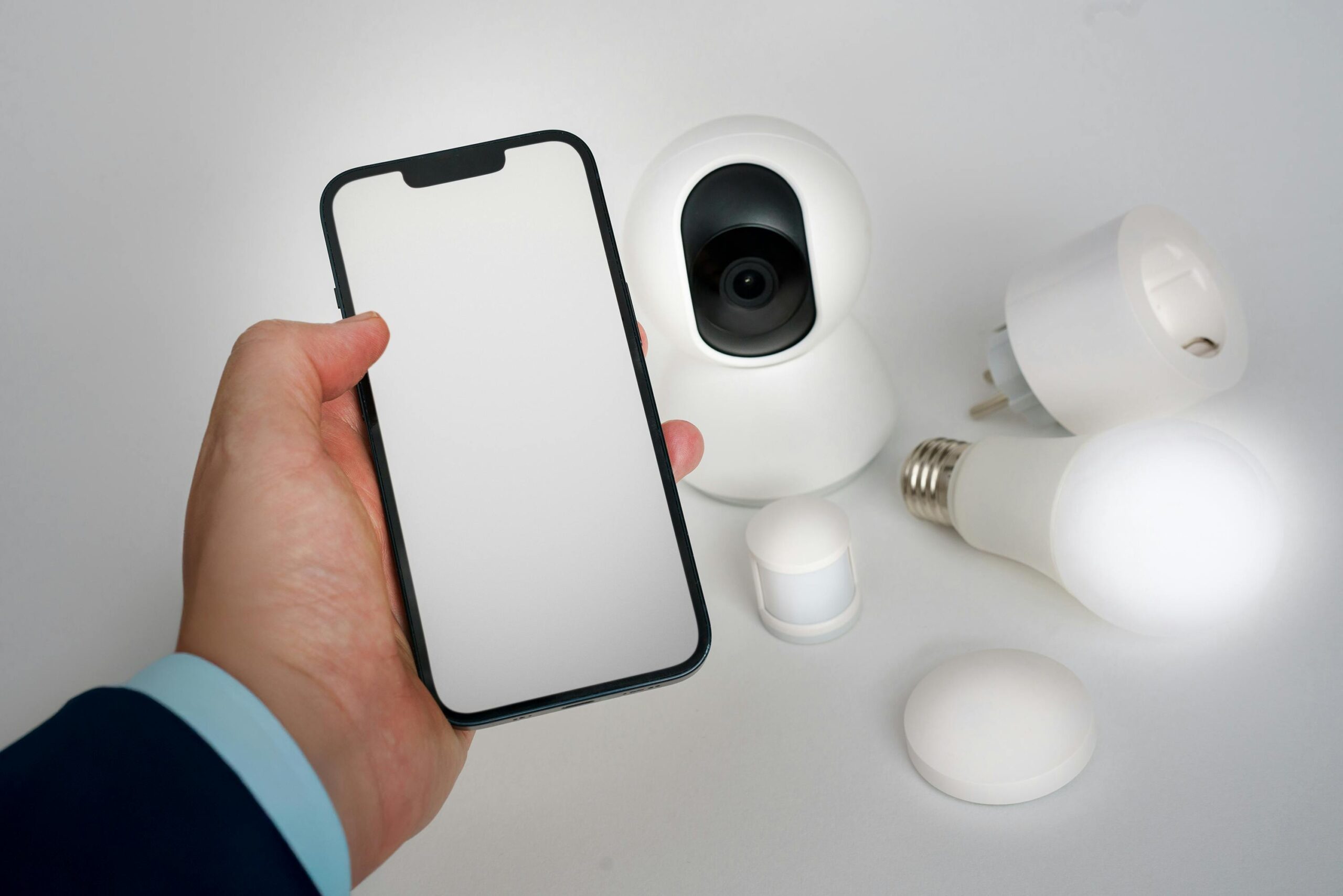
Robotics adventures are transforming education by making technology accessible and exciting for learners of all ages through hands-on, project-based learning experiences.

🤖 Why Robotics Captures Hearts and Minds Across Generations
There’s something magical about watching a robot spring to life after hours of careful construction and programming. Whether you’re a curious six-year-old building your first wheeled bot or a retired engineer exploring autonomous systems, robotics offers an unparalleled blend of creativity, problem-solving, and tangible results that resonates across age groups.
The beauty of robotics as an educational medium lies in its versatility. Unlike traditional learning methods that often segment audiences by age or ability, robotics naturally scales to meet learners where they are. A simple light-following robot can fascinate a elementary student while the underlying concepts of sensors and feedback loops intrigue advanced programmers.
Project-based learning through robotics eliminates the artificial barriers between subjects. Students simultaneously engage with mathematics, physics, computer science, engineering, and even art and communication skills. This integrated approach mirrors real-world problem-solving, where solutions require interdisciplinary thinking rather than isolated knowledge.
Building Foundations: Robotics for Young Learners
Introducing robotics to children as young as five or six might seem ambitious, but age-appropriate platforms have made this not only possible but incredibly effective. The key lies in choosing projects that emphasize play, exploration, and immediate feedback rather than complex technical concepts.
Early robotics adventures often begin with simple programmable toys that respond to basic commands. Children learn cause-and-effect relationships as they discover that pressing certain buttons makes their robot move forward, turn, or make sounds. These fundamental experiences build computational thinking without requiring reading skills or abstract reasoning.
As children progress into elementary years, construction-based robotics kits become invaluable. Building physical robots from components teaches spatial reasoning, following sequential instructions, and the persistence required when pieces don’t fit together on the first attempt. These tactile experiences create neural pathways that support later abstract learning.
Visual Programming Opens New Worlds
Block-based programming environments have revolutionized how young learners interact with robotics. Instead of typing syntax-heavy code, children drag and connect colorful blocks representing commands and logic. This visual approach makes programming accessible while teaching genuine programming concepts like loops, conditionals, and variables.
Projects for this age group thrive on imagination. Building a robot that can navigate a maze transforms geometry lessons into adventure. Creating an automated pet feeder connects engineering with responsibility and care. Designing a dancing robot brings together programming, music, and performance art.
Challenging Middle Years: Complexity Meets Creativity
Pre-teens and teenagers approach robotics with increased cognitive abilities and greater appetite for complexity. This age group benefits enormously from projects that challenge them to solve authentic problems rather than complete predetermined tutorials.
Competitions and challenges provide excellent frameworks for engagement. Events like FIRST Robotics, VEX competitions, and local robotics challenges give teams specific objectives while leaving implementation details open to creative interpretation. Students must collaborate, delegate responsibilities, iterate designs, and manage time constraints—skills that extend far beyond robotics.
At this level, robotics projects naturally incorporate more sophisticated programming concepts. Students transition from visual programming to text-based languages like Python or C++, learning how professional developers write code. They explore algorithms, optimize performance, and debug complex logical errors.
Sensors and Intelligence: The Internet of Things Connection
Middle-level robotics adventures increasingly incorporate multiple sensors, teaching students how robots perceive and interact with their environment. Ultrasonic sensors measure distance, color sensors distinguish objects, gyroscopes detect orientation, and cameras capture visual information for processing.
Projects at this stage might include autonomous vehicles that navigate obstacle courses, robotic arms that sort objects by color or size, or environmental monitoring stations that collect and transmit data. Each project reinforces core STEM concepts while introducing students to emerging technologies like machine learning and artificial intelligence.
The beauty of this complexity is how it mirrors professional robotics development. Students aren’t just playing with toys—they’re working with the same sensors, microcontrollers, and programming paradigms used in industry, research, and innovation labs worldwide.
🎓 Advanced Explorations: Robotics for Lifelong Learners
Robotics adventures don’t end with formal education. Adults discover robotics through diverse pathways—hobbyist makers, career changers, educators seeking professional development, or retirees exploring new intellectual challenges. This demographic brings unique strengths including patience, real-world problem-solving experience, and often greater resources for investment in quality equipment.
Adult learners frequently pursue robotics projects connected to personal interests or professional applications. A gardener might build an automated watering system with soil moisture sensors. A photographer could create a camera slider for time-lapse videos. A business owner might prototype automation solutions for warehouse operations.
Open-Source Platforms Democratize Innovation
The maker movement has spawned incredible open-source robotics platforms that enable sophisticated projects at accessible price points. Arduino and Raspberry Pi have become household names among hobbyists, offering powerful computing capabilities with extensive community support and documentation.
These platforms support projects ranging from simple to extraordinarily complex. A beginner might start with a temperature-controlled fan, while experienced builders create humanoid robots, drone swarms, or assistive devices for people with disabilities. The spectrum of possibility keeps learners engaged as their skills develop.
Online communities provide crucial support for adult learners who might not have access to traditional classroom structures. Forums, video tutorials, project galleries, and collaborative spaces connect global communities of makers who freely share knowledge, troubleshoot problems, and celebrate successes together.
Designing Effective Project-Based Robotics Experiences
Successful robotics adventures share common characteristics regardless of participant age. Understanding these principles helps educators, parents, and learners themselves design experiences that maximize engagement and learning outcomes.
First, effective projects balance structure with creative freedom. Too much prescription creates boring tutorials where learners simply follow instructions without understanding. Too little guidance leaves beginners frustrated and overwhelmed. The sweet spot provides clear objectives and necessary resources while leaving implementation details open for exploration.
Second, meaningful projects solve authentic problems or create genuinely useful or entertaining results. Building a line-following robot becomes more engaging when it’s designed to deliver messages between classrooms. Programming a robotic arm gains purpose when it’s adapted to help someone with limited mobility.
Iteration and Failure as Learning Tools
Perhaps robotics’ greatest educational value lies in how it normalizes failure and iteration. Robots rarely work perfectly on the first attempt. Motors may be too weak, sensors might trigger unreliably, or code logic could contain subtle errors. Each failure provides specific feedback about what needs adjustment.
This iterative process teaches resilience and systematic problem-solving. Instead of viewing failure as shameful, robotics learners see it as information. The robot turned left instead of right? Check the motor connections. The sensor isn’t detecting obstacles? Adjust its position or sensitivity threshold. This debugging mindset transfers beautifully to other life domains.
Documentation also becomes crucial in complex projects. Students learn to maintain build logs, comment their code, and create diagrams explaining their systems. These practices mirror professional engineering workflows while developing technical communication skills.
🌍 Cross-Generational Robotics: Learning Together
Some of the most enriching robotics adventures bring together participants of different ages. Intergenerational programs pair youth with adult mentors, creating relationships where both parties learn from each other’s perspectives and strengths.
Young people often bring fresh perspectives, fearlessness with technology, and creative approaches unbounded by “this is how it’s always been done” thinking. Adults contribute patience, systematic problem-solving strategies, and real-world context that helps learners understand why certain concepts matter.
Community makerspaces, libraries, and STEM centers increasingly host all-ages robotics events. Family build nights let parents and children collaborate on projects, strengthening relationships while building skills. Senior centers partner with schools for reverse-mentoring programs where elders gain technology confidence while sharing life wisdom.
Building Inclusive Robotics Communities
Effective cross-generational programs intentionally design for inclusion. They provide multiple entry points so absolute beginners can participate alongside experienced builders. They ensure physical accessibility so people with mobility differences can fully engage. They create welcoming cultures that value diverse perspectives and communication styles.
Language becomes important in inclusive spaces. Avoiding jargon or taking time to explain technical terms makes robotics accessible to newcomers. Celebrating different types of contributions—someone might excel at mechanical design while another shines at programming or documentation—helps everyone find their place in collaborative projects.
Essential Components for Robotics Adventure Success
While specific tools vary by project scope and participant age, certain elements consistently support successful robotics learning experiences. Understanding these components helps anyone—educator, parent, or self-directed learner—set themselves up for success.
- Appropriate Tools: Quality basics matter more than quantity. Reliable motors, sensors, and microcontrollers prevent frustration from defective components. Start with robust beginner-friendly platforms before advancing to specialized equipment.
- Clear Workspace: Robotics projects sprawl. Dedicated space where work can remain set up between sessions dramatically improves progress and reduces setup/cleanup friction that discourages continuation.
- Learning Resources: Curated tutorials, project ideas, and troubleshooting guides accelerate learning. Bookmark reliable websites, join relevant forums, and don’t hesitate to ask questions—robotics communities generally welcome newcomers enthusiastically.
- Safety Equipment: Basic safety matters—eye protection when cutting materials, proper ventilation for soldering, and understanding electrical safety prevents injuries that could end robotics adventures prematurely.
- Documentation Habits: Photos of working configurations, annotated code, and project journals prevent forgotten solutions and enable sharing successes with others.
🚀 From Hobby to Impact: Real-World Robotics Applications
Robotics adventures that begin as educational projects sometimes evolve into innovations with genuine societal impact. Students and hobbyists have created assistive devices for people with disabilities, environmental monitoring systems for conservation, and agricultural robots that increase food production sustainability.
These success stories inspire continued engagement by demonstrating that robotics skills translate directly to making positive differences. A high school team’s water quality monitoring robot might start as a competition project but end up deployed in local waterways providing data to environmental agencies.
Career pathways emerging from robotics adventures are remarkably diverse. Beyond obvious engineering roles, robotics skills support careers in medicine (surgical robots), entertainment (animatronics), logistics (warehouse automation), agriculture (precision farming), and countless other fields. Early exposure through project-based learning helps young people envision themselves in these futures.
Entrepreneurship Through Robotics
The maker movement has lowered barriers to robotics entrepreneurship. Crowdfunding platforms help inventors find early customers and funding. Online marketplaces connect creators with global audiences. Manufacturing services allow small-batch production without massive capital investment.
Students completing robotics projects sometimes discover marketable applications. That automated pet feeder might appeal to other pet owners. The custom sensor system could solve problems for local businesses. Entrepreneurial thinking naturally emerges when learners see their creations as potential products rather than just assignments.
Sustaining Long-Term Engagement in Robotics
Initial excitement about robotics adventures is easy to generate, but maintaining momentum over months and years requires intentional strategies. Understanding motivation factors helps learners and educators design experiences with staying power.
Progressive complexity keeps experiences challenging without becoming overwhelming. Each completed project should stretch abilities slightly beyond current comfort zones while remaining achievable with effort. This zone of proximal development maintains engagement by providing neither boredom nor frustration.
Community connection sustains motivation when individual interest wavers. Regular meetups, online showcases, and collaborative challenges remind participants they’re part of something larger than themselves. Celebrating milestones—first successful program, first completed build, first competition entry—reinforces progress and builds identity as “someone who does robotics.”
Documenting and Sharing the Journey
Creating portfolios of robotics work serves multiple purposes. For young learners, portfolios demonstrate progress and provide material for college applications or scholarship opportunities. For adult hobbyists, sharing projects online connects them with communities and sometimes attracts professional opportunities.
The act of explaining projects to others deepens understanding. Writing about why certain design decisions were made or how specific problems were solved requires articulating tacit knowledge. Video demonstrations practice communication skills while creating resources that help other learners.

🎯 Launching Your Robotics Adventure Today
The best time to start robotics exploration is now, regardless of age or prior experience. Modern platforms have eliminated many traditional barriers, making robotics more accessible than ever before in history.
Begin with clearly defined, modest goals. Attempting to build an advanced humanoid robot as a first project invites frustration. Starting with a simple wheeled robot that avoids obstacles provides achievable success that builds confidence for more ambitious future projects.
Leverage free resources abundantly available online. Video tutorials walk through projects step-by-step. Simulation software allows experimenting with robot programming before investing in physical hardware. Online communities answer questions and provide encouragement when challenges arise.
Most importantly, embrace the adventure mindset. Robotics learning involves experimentation, unexpected discoveries, and occasional setbacks. Approaching projects with curiosity rather than pressure to achieve perfection makes the journey enjoyable while supporting deeper learning. Every robot that doesn’t work exactly as planned teaches valuable lessons that inform the next iteration.
Whether you’re an educator seeking engaging curriculum, a parent wanting to support a child’s interests, or someone personally curious about robotics, project-based learning offers pathways for exploration. The robotics adventure awaits—filled with creative challenges, satisfying accomplishments, and skills that extend far beyond the workshop table into every aspect of life and learning.