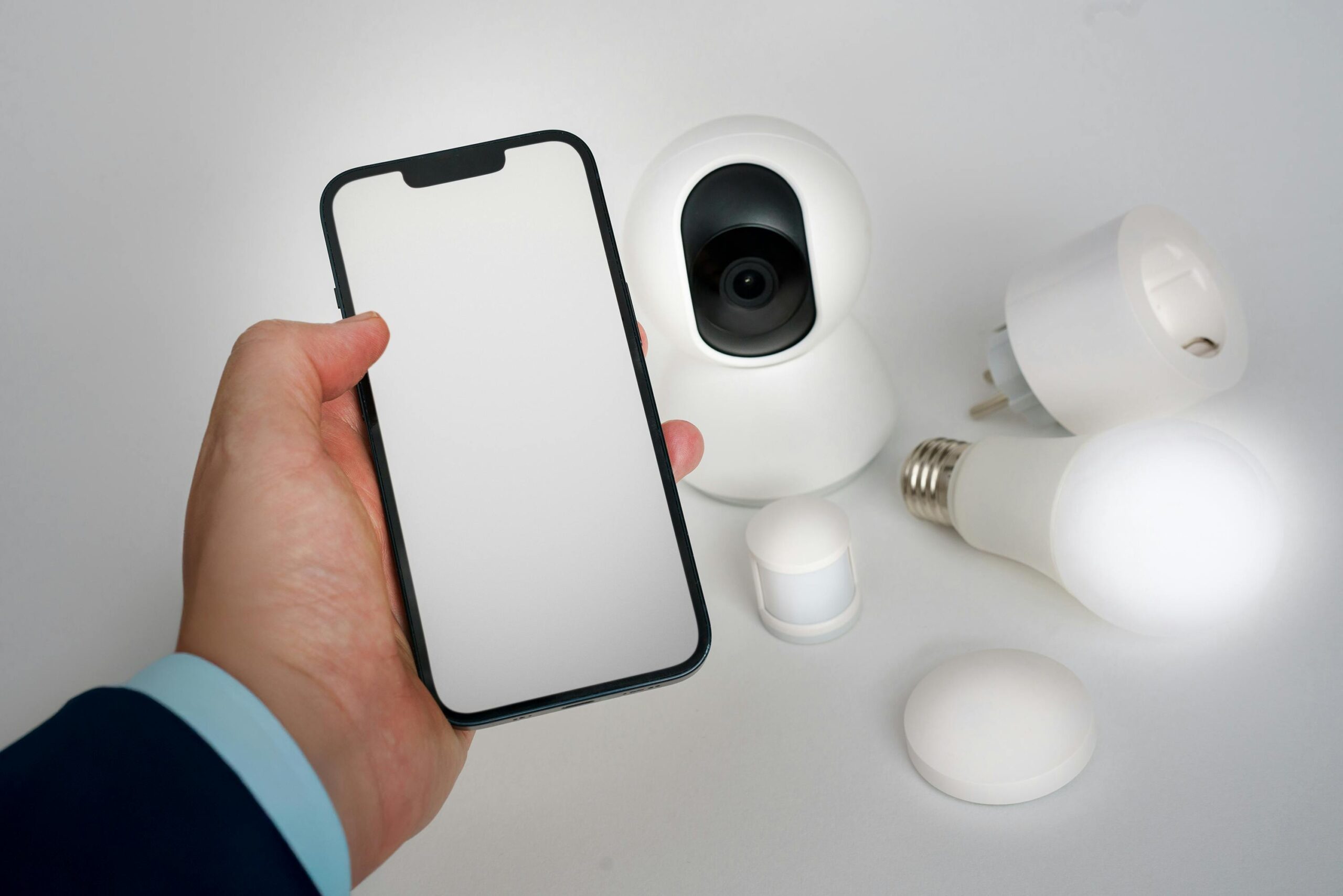
Selecting the right low-voltage components can transform your student projects from basic concepts into impressive, functional creations that demonstrate real engineering prowess.

🔌 Understanding Low-Voltage Components: The Foundation of Student Innovation
Low-voltage electronics have become the cornerstone of modern educational projects, offering students a safe, affordable, and versatile platform for learning fundamental engineering principles. These components typically operate at voltages below 50V AC or 120V DC, making them ideal for classroom environments and home experimentation. Unlike their high-voltage counterparts, low-voltage systems minimize safety risks while still delivering impressive functionality.
The world of low-voltage components encompasses everything from simple resistors and capacitors to sophisticated microcontrollers and sensor arrays. Understanding which components to select for your specific project requirements is essential for achieving both educational objectives and practical outcomes. This knowledge forms the bridge between theoretical learning and hands-on application, empowering students to bring their creative visions to life.
Modern educational institutions increasingly emphasize project-based learning, where students must navigate real-world challenges in component selection, circuit design, and system integration. The ability to choose appropriate low-voltage components not only enhances project success rates but also builds critical thinking skills that extend far beyond the electronics workbench.
🎯 Defining Your Project Requirements Before Component Selection
Before diving into component catalogs and supplier websites, successful students always begin with a clear understanding of their project requirements. This preliminary analysis saves time, reduces costs, and significantly increases the likelihood of project success. Start by documenting your project’s core functionality, expected performance metrics, and any constraints such as size, weight, or budget limitations.
Consider the power requirements carefully. Will your project run on batteries, USB power, or a wall adapter? Battery-powered projects demand components with low current consumption to maximize runtime, while wall-powered applications can afford higher current draws. USB-powered projects typically work with 5V rails, which influences your component voltage ratings and power management strategy.
Environmental factors also play a crucial role in component selection. Will your project operate indoors or outdoors? Temperature extremes, humidity, and physical vibration all impact component reliability and longevity. Students often overlook these considerations, only to discover their projects fail when exposed to real-world conditions. Professional engineers always design with environmental specifications in mind, and students should adopt this practice early.
⚡ Essential Low-Voltage Component Categories Every Student Should Know
Passive Components: The Silent Heroes
Resistors, capacitors, and inductors form the foundation of virtually every electronic circuit. Resistors limit current flow and divide voltages, with values ranging from fractions of an ohm to millions of ohms. For student projects, a basic resistor kit covering E12 or E24 series values from 10Ω to 1MΩ provides excellent versatility. Power ratings typically range from 1/8W to 1/2W for most low-voltage applications.
Capacitors store and release electrical energy, serving functions from power supply filtering to timing circuits. Ceramic capacitors excel at high-frequency applications and decoupling, while electrolytic capacitors provide high capacitance values for power filtering. Understanding capacitor types, voltage ratings, and polarity requirements prevents common student mistakes that lead to component failure or circuit malfunction.
Inductors may seem less common in beginner projects, but they’re essential for power conversion circuits, filters, and RF applications. Ferrite beads help suppress electromagnetic interference, while power inductors enable efficient DC-DC conversion. Students working with switching regulators or wireless communication must understand inductor selection criteria including inductance value, current rating, and DC resistance.
Active Components: Where the Magic Happens
Transistors and integrated circuits represent the active elements that perform amplification, switching, and complex signal processing. Bipolar junction transistors (BJTs) like the venerable 2N3904 and 2N3906 remain popular for simple switching and amplification tasks. MOSFETs offer superior efficiency for power switching applications, with logic-level devices particularly convenient for microcontroller-driven projects.
Operational amplifiers provide precision analog signal processing capabilities. The ubiquitous LM358 dual op-amp and TL072 low-noise versions serve most student needs, offering versatility for applications ranging from sensor signal conditioning to active filters. Understanding op-amp specifications such as gain-bandwidth product, input offset voltage, and slew rate helps students select appropriate devices for their specific requirements.
Voltage regulators ensure stable power delivery despite input voltage variations or load changes. Linear regulators like the LM7805 series offer simplicity and low noise but waste energy as heat. Switching regulators provide higher efficiency, crucial for battery-powered projects, though they introduce switching noise that requires proper PCB layout and filtering techniques.
🤖 Microcontrollers and Development Boards: The Brain of Modern Projects
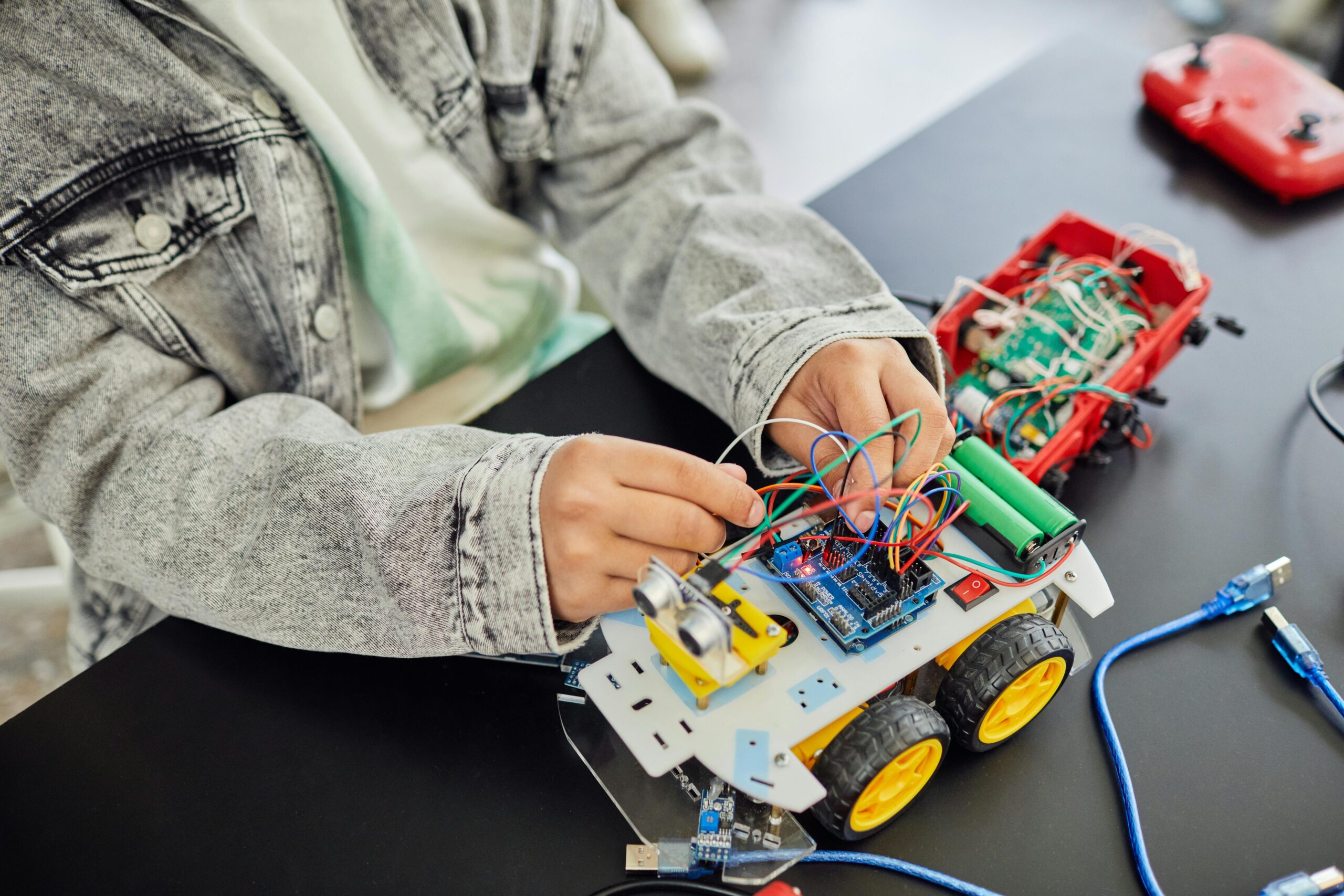
Microcontrollers have revolutionized student projects by providing powerful, programmable intelligence at remarkably low cost. Arduino boards remain the gold standard for educational applications, offering an accessible programming environment and extensive community support. The Arduino Uno serves most beginner needs, while the Nano provides similar functionality in a compact footprint suitable for space-constrained projects.
ESP32 and ESP8266 microcontrollers have gained tremendous popularity for Internet of Things (IoT) projects, combining processing power with built-in WiFi and Bluetooth connectivity. These affordable modules enable students to create connected devices that interact with cloud services, mobile applications, and other networked systems. The ESP32’s dual-core architecture and abundant GPIO pins make it particularly versatile for complex multitasking applications.
Raspberry Pi boards blur the line between microcontrollers and single-board computers, running full Linux operating systems while providing GPIO pins for hardware interfacing. While more expensive than basic microcontrollers, Raspberry Pi excels at projects requiring significant computational power, such as computer vision, artificial intelligence, or complex data processing. Students should evaluate whether their project truly requires this additional capability before committing to the higher cost and power consumption.
🔍 Sensors and Input Devices: Connecting to the Physical World
Modern projects often require sensing environmental parameters or user interactions. Temperature sensors range from simple thermistors to digital devices like the DS18B20, which provides calibrated readings over a single-wire interface. DHT11 and DHT22 sensors measure both temperature and humidity, making them popular for environmental monitoring projects despite their relatively slow response times.
Distance sensing employs various technologies depending on range and accuracy requirements. Ultrasonic sensors like the HC-SR04 offer affordable non-contact measurement up to several meters, perfect for robotics obstacle avoidance. Infrared proximity sensors provide faster response but shorter range, while time-of-flight sensors deliver precision measurement at higher cost. Understanding these tradeoffs helps students select appropriate sensors for their specific applications.
Motion detection encompasses multiple approaches. Passive infrared (PIR) sensors detect human presence through body heat, ideal for security systems and automatic lighting. Accelerometers and gyroscopes measure orientation and movement, essential for robotics, gesture recognition, and stability control. The popular MPU6050 combines a 3-axis accelerometer and gyroscope in an affordable package with extensive library support.
💡 Output Devices: Making Your Project Visible and Interactive
LEDs represent the simplest and most energy-efficient visual indicators, available in countless colors, sizes, and intensities. Standard 5mm LEDs suffice for basic indication, while high-power LEDs enable illumination applications. RGB LEDs and addressable LED strips like WS2812B create dynamic lighting effects, though they demand careful current management and proper power supply design to prevent voltage drops across long strips.
Display technologies have evolved dramatically, offering students numerous options for presenting information. Simple 7-segment displays suit numerical readouts, while character LCDs like the ubiquitous 16×2 module display text with minimal coding effort. OLED displays provide superior contrast and viewing angles in a thin package, though at higher cost. TFT touchscreens enable sophisticated graphical interfaces but require more programming expertise and processing power.
Motor control opens possibilities for mechanical actuation and robotics. DC hobby motors provide simple rotational movement, while servo motors offer precise angular positioning without complex control circuits. Stepper motors deliver accurate multi-turn positioning essential for CNC machines and 3D printers. Each motor type requires appropriate driver circuits, from simple transistor switches to specialized integrated circuits like the L298N dual H-bridge or A4988 stepper drivers.
🛡️ Power Management: Keeping Your Project Running Reliably
Robust power supply design separates successful projects from frustrating failures. Understanding current requirements across all operating modes prevents brownouts and component damage. Calculate total current draw by summing individual component requirements, then add a 20-30% safety margin for unexpected peaks and future modifications. This total determines your power supply or battery capacity requirements.
Battery selection involves balancing capacity, size, weight, and cost. Alkaline batteries offer convenience but poor performance under high-drain conditions. Lithium-ion cells provide excellent energy density and rechargeability, though they require protection circuits to prevent overcharge and over-discharge conditions. LiPo batteries maximize capacity in minimal space but demand careful handling and specialized charging equipment to ensure safety.
Power distribution requires attention to voltage drop and noise isolation. Use adequate wire gauge to minimize resistive losses, particularly important for motor circuits or long wire runs. Decoupling capacitors placed close to integrated circuits suppress voltage spikes and high-frequency noise. Students often underestimate the importance of proper grounding and power distribution, leading to mysterious circuit malfunctions that prove difficult to diagnose.
📊 Component Specifications: Reading Datasheets Like a Pro
Datasheets contain all the information needed for proper component selection and application, yet students often find them intimidating. Start with the absolute maximum ratings section, which defines operating limits that must never be exceeded. Exceeding these values, even briefly, can permanently damage components or create safety hazards.
Electrical characteristics tables specify component behavior under various conditions. Pay attention to minimum, typical, and maximum values, understanding that real components exhibit variation across manufacturing tolerances and operating conditions. For critical parameters, always design assuming worst-case values rather than typical specifications to ensure reliable operation across component variations and environmental conditions.
Application notes and typical application circuits provide invaluable guidance from component manufacturers. These sections demonstrate proper usage, suggest supporting component values, and often explain design considerations that prevent common mistakes. Students who study these sections thoroughly save countless hours troubleshooting problems that manufacturers already anticipated and documented.
💰 Sourcing Components: Balancing Cost, Quality, and Availability
Component sourcing strategy significantly impacts project budgets and timelines. Major distributors like Digikey, Mouser, and Newark offer vast selection, reliable quality, and excellent technical resources. Their prices may exceed bargain sources, but authentic components from authorized distributors eliminate concerns about counterfeits that plague gray-market suppliers.
Online marketplaces provide dramatic cost savings, particularly for common components and modules. However, quality varies significantly, with some suppliers shipping substandard or counterfeit parts. Student projects with relaxed timelines can afford experimentation with budget sources, while time-critical work demands reliable suppliers despite higher costs. Always order spares when using unfamiliar sources to accommodate potential failures or returns.
Local electronics retailers offer immediate availability and the opportunity to physically inspect components before purchase. While selection may be limited compared to online sources, local shops provide invaluable face-to-face advice and troubleshooting assistance. Building relationships with knowledgeable local retailers creates learning opportunities that extend beyond simple component purchasing.
🧪 Prototyping and Testing: Validating Your Component Choices
Breadboards enable rapid circuit prototyping without soldering, perfect for testing component selections and circuit designs before committing to permanent construction. However, breadboard limitations include higher parasitic capacitance, unreliable connections from worn contacts, and current limitations that make them unsuitable for high-power testing. Understanding these constraints prevents misleading test results.
Multimeters represent essential tools for measuring voltage, current, and resistance during development and troubleshooting. Auto-ranging digital multimeters offer convenience for students, though understanding manual range selection builds better intuition about circuit behavior. Continuity testing and diode checking functions prove invaluable for verifying breadboard connections and identifying component orientation.
Oscilloscopes reveal circuit behavior invisible to multimeters, displaying voltage waveforms over time. While professional oscilloscopes remain expensive, USB-based models and even smartphone apps with suitable hardware provide adequate functionality for many student projects. Learning to interpret waveforms and trigger settings develops essential diagnostic skills applicable throughout an engineering career.
🚀 Advanced Component Selection: Taking Projects to the Next Level
As students gain experience, exploring specialized components opens new project possibilities. Analog-to-digital converters (ADCs) and digital-to-analog converters (DACs) enable precise measurement and control beyond microcontroller built-in capabilities. Real-time clocks maintain accurate timekeeping even during power outages, essential for data logging and time-triggered actions.
Wireless communication modules extend project capabilities beyond physical connections. Bluetooth Low Energy modules enable smartphone connectivity for control and monitoring. LoRa modules provide long-range communication at low power, ideal for distributed sensor networks. Understanding radio frequency regulations, antenna design, and communication protocols challenges students to expand their knowledge into new domains.
Power electronics components like MOSFETs, gate drivers, and current sensors enable sophisticated motor control and power conversion. Brushless DC motors offer superior efficiency and performance compared to brushed alternatives, though they require electronic speed controllers and more complex control algorithms. Students interested in robotics, drones, or electric vehicles must master these components to achieve professional-level performance.
🎓 Learning Resources: Continuous Improvement in Component Knowledge
Component selection expertise develops through continuous learning and hands-on experience. Online communities like Arduino forums, Reddit’s electronics subreddits, and Stack Exchange provide opportunities to learn from experienced engineers and fellow students. Asking well-formulated questions with clear problem descriptions and relevant details typically generates helpful responses within hours.
YouTube channels dedicated to electronics education offer visual learning experiences particularly valuable for understanding complex concepts. Channels covering circuit design, component reviews, and project tutorials provide inspiration and practical guidance. Following multiple creators exposes students to different perspectives and approaches, building well-rounded understanding.
University courses and online learning platforms provide structured education in electronics fundamentals. While formal education requires significant time investment, it builds systematic understanding that accelerates future learning and troubleshooting. Students should balance formal coursework with hands-on experimentation to develop both theoretical knowledge and practical skills.
🌟 Building Your Component Library: Strategic Inventory Management
Successful students maintain organized component inventories that enable rapid prototyping without waiting for shipments. Start with basic passive components in common values, gradually expanding based on actual project requirements. Storage solutions ranging from compartmented boxes to labeled drawers keep components organized and prevent the frustration of searching for specific parts during critical project phases.
Documentation proves essential as component collections grow. Maintain spreadsheets or databases tracking component types, quantities, and storage locations. Photograph component packages and note supplier part numbers for easy reordering. This organization transforms random collections into valuable resources that accelerate future projects.
Sharing components and knowledge within student groups multiplies individual resources while building collaborative skills. Component pooling enables access to specialized parts without everyone purchasing complete inventories. Group problem-solving sessions leverage collective knowledge, often resolving challenges faster than individual effort. These collaborative habits mirror professional engineering environments and provide valuable networking opportunities.
Mastering low-voltage component selection represents a journey rather than a destination. Each project teaches new lessons about component behavior, design tradeoffs, and troubleshooting techniques. Students who approach component selection systematically, learning from both successes and failures, develop expertise that serves them throughout their engineering careers. The combination of theoretical understanding, practical experience, and continuous learning creates confident, capable engineers ready to tackle increasingly sophisticated challenges. Your next successful project awaits—power it up with the right component choices! ⚡