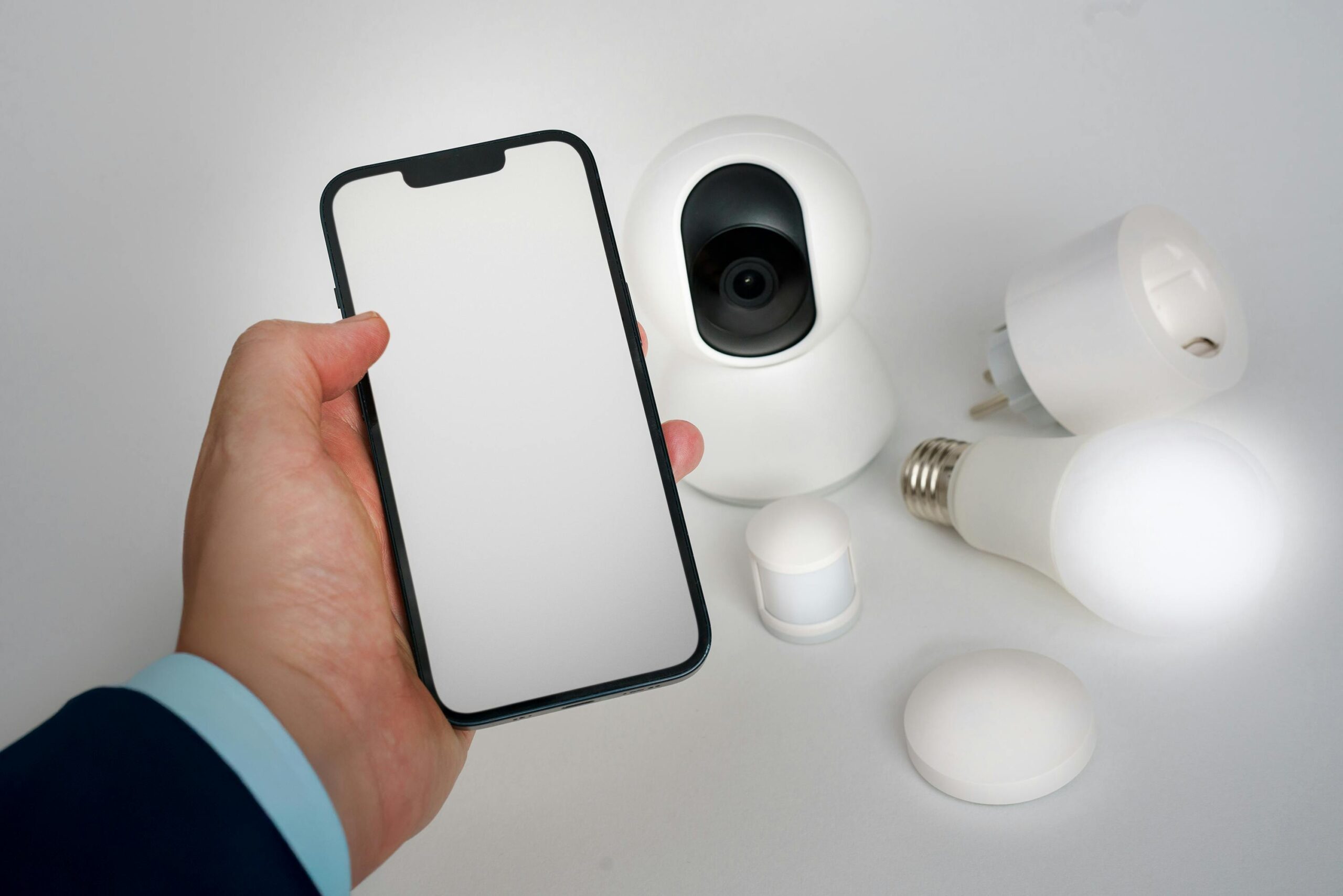
Remote robotics learning is revolutionizing education by combining cutting-edge technology with accessible online platforms, creating unprecedented opportunities for students worldwide.

The landscape of education has transformed dramatically over recent years, with remote learning becoming not just an alternative but often the preferred method for acquiring new skills. When it comes to robotics education, this shift presents unique challenges and extraordinary opportunities. The integration of hands-on technical skills with distance learning requires innovative approaches that maintain engagement while delivering practical knowledge that students can immediately apply.
As industries increasingly demand professionals skilled in robotics, automation, and artificial intelligence, the need for effective remote learning strategies has never been more critical. Educational institutions, corporate training programs, and independent learners are all seeking methods to bridge the gap between theoretical knowledge and practical application without the traditional requirement of physical laboratory access.
🤖 The Rising Demand for Remote Robotics Education
The global robotics market continues its exponential growth, with predictions suggesting it will reach hundreds of billions of dollars in the coming years. This expansion creates a substantial skills gap that educational institutions and training programs must address. Remote robotics learning offers a scalable solution that can reach learners regardless of geographical limitations or economic barriers.
Traditional robotics education required expensive equipment, specialized facilities, and expert instructors physically present. These requirements created significant barriers to entry for many aspiring robotics professionals. Remote learning strategies are dismantling these obstacles by leveraging simulation software, affordable robotics kits, and cloud-based platforms that democratize access to quality education.
Companies across various sectors—from manufacturing and healthcare to agriculture and logistics—are actively seeking employees with robotics expertise. This demand extends beyond engineering roles to include positions in maintenance, programming, operation, and management of robotic systems. Remote learning programs that effectively prepare students for these diverse career paths position themselves as invaluable resources in the modern educational ecosystem.
Building Blocks of Effective Remote Robotics Programs
Successful remote robotics education relies on several foundational elements that work together to create comprehensive learning experiences. These components must be carefully balanced to ensure students develop both theoretical understanding and practical competencies.
Interactive Simulation Environments
Advanced simulation software has become the cornerstone of remote robotics education. These platforms allow students to design, program, and test robotic systems in virtual environments that accurately replicate real-world physics and constraints. Simulations eliminate the need for expensive physical equipment while providing unlimited opportunities for experimentation and learning from failures.
Leading simulation platforms offer realistic rendering of various robotic systems, from industrial manipulators to autonomous mobile robots. Students can program movements, test sensors, and troubleshoot problems in environments that respond authentically to their inputs. This approach not only reduces costs but also accelerates learning by allowing rapid iteration and immediate feedback.
Hybrid Hardware-Software Approaches
While simulations provide excellent foundational learning, the tactile experience of working with physical robotics components remains invaluable. Innovative remote programs have developed hybrid models that combine virtual learning with affordable, mail-delivered robotics kits that students can assemble and program at home.
These kits typically include microcontrollers, sensors, motors, and structural components that students can configure into various robotic systems. When paired with online instruction and cloud-based development environments, these physical components provide hands-on experience without requiring students to attend specialized facilities.
💡 Innovative Teaching Methodologies for Distance Learning
Delivering robotics education remotely requires rethinking traditional pedagogical approaches. The most successful programs employ methodologies specifically designed to overcome the challenges of distance while capitalizing on the unique advantages of online learning.
Project-Based Learning Frameworks
Project-based approaches excel in remote robotics education by giving students clear objectives and the autonomy to explore solutions independently. Rather than following rigid step-by-step tutorials, students tackle real-world problems that require them to research, design, implement, and refine robotic solutions.
This methodology develops critical thinking, problem-solving skills, and self-directed learning capabilities—all essential competencies for successful robotics professionals. Instructors serve as facilitators and mentors rather than lecturers, providing guidance when students encounter obstacles while encouraging independent exploration and creativity.
Collaborative Virtual Teams
Robotics projects in professional settings invariably involve teamwork across multiple disciplines. Remote learning programs that incorporate collaborative team projects prepare students for this reality while building valuable soft skills like communication, coordination, and conflict resolution.
Virtual collaboration tools enable students from different locations to work together on shared robotics projects. Teams can divide responsibilities, share code repositories, conduct virtual design reviews, and integrate individual contributions into cohesive systems—all experiences that mirror modern professional robotics development workflows.
Technology Infrastructure Supporting Remote Robotics Learning
The technical foundation enabling effective remote robotics education has evolved considerably, with several key technologies making sophisticated learning experiences possible from any location with internet connectivity.
Cloud-Based Development Environments
Cloud computing has revolutionized remote robotics education by eliminating the need for students to maintain powerful local computing resources or complex software installations. Browser-based integrated development environments (IDEs) allow students to write, compile, and test robotic control software entirely online.
These platforms often include version control, collaborative coding features, and direct integration with simulation environments. Students can access their projects from any device, collaborate with teammates in real-time, and receive automated feedback on their code quality and functionality.
Remote Laboratory Access
Some advanced remote robotics programs provide students with scheduled access to actual physical robots located in institutional laboratories. Through video feeds and networked control systems, students can remotely operate real robotic equipment, observing the results of their programming in authentic physical environments.
This approach combines the convenience of remote learning with the authenticity of physical robotics experimentation. Students gain confidence that their skills translate to real-world applications while institutions maximize the utilization of their expensive robotics equipment across broader student populations.
🎯 Engagement Strategies That Drive Success
Maintaining student motivation and engagement presents unique challenges in remote learning environments. Successful robotics programs implement specific strategies designed to keep students invested in their learning journey.
Gamification and Competitive Elements
Incorporating game-like elements and friendly competition energizes remote robotics courses. Virtual robotics competitions where students program robots to complete challenges against classmates or global participants create excitement and drive engagement.
Leaderboards, achievement badges, and progressive difficulty levels tap into intrinsic motivation while providing clear milestones that mark student progress. These elements transform potentially isolating remote learning experiences into dynamic, socially connected activities.
Real-World Industry Connections
Linking coursework to actual industry applications and providing opportunities for students to interact with robotics professionals adds meaningful context to remote learning. Guest lectures from industry experts, virtual facility tours, and mentorship programs help students understand how their skills will apply in professional contexts.
These connections also facilitate networking opportunities that can lead to internships and career placements, demonstrating the practical value of the education students are receiving and maintaining their commitment to completing programs.
Assessment and Feedback in Virtual Robotics Education
Evaluating student progress and providing constructive feedback requires adapted approaches in remote robotics learning environments. Traditional examination methods often prove inadequate for assessing practical robotics competencies.
Portfolio-based assessment allows students to document their learning journey through completed projects, design documentation, code repositories, and reflection essays. This comprehensive approach provides a more accurate representation of student capabilities than conventional tests.
Automated assessment tools can evaluate certain technical aspects like code functionality, efficiency, and adherence to best practices. When combined with instructor review of design decisions and problem-solving approaches, these automated systems create efficient yet thorough evaluation processes.
Peer review mechanisms add another valuable assessment layer while developing students’ ability to critically analyze robotics designs and provide constructive feedback—skills essential in collaborative professional environments.
🌐 Accessibility and Inclusion in Remote Robotics Learning
One of the most promising aspects of remote robotics education is its potential to make this field accessible to populations previously excluded due to geographical, economic, or physical barriers.
Students in rural areas or developing regions who previously had no access to robotics education can now participate in world-class programs. This geographical democratization brings diverse perspectives into the field, enriching the discipline with varied cultural approaches to problem-solving and innovation.
Economic accessibility improves through the elimination of commuting costs, housing expenses, and the ability to continue working while studying. Simulation-based learning and affordable robotics kits further reduce financial barriers compared to traditional programs requiring access to expensive laboratory equipment.
Remote learning formats also accommodate students with physical disabilities who might face challenges in traditional laboratory settings. Accessible design in online platforms, combined with the ability to work from comfortable, adapted home environments, creates opportunities for talented individuals who might otherwise be excluded from robotics education.
Overcoming Common Challenges in Remote Robotics Education
Despite its many advantages, remote robotics learning faces specific obstacles that programs must address to achieve optimal outcomes.
Limited Hands-On Experience
The reduced access to physical robotics equipment remains a legitimate concern. Programs address this through the hybrid approaches mentioned earlier, supplemented with intensive short-term residencies or local partnerships where students can access equipment for concentrated hands-on sessions.
As haptic feedback technology and virtual reality systems become more sophisticated and affordable, they offer additional pathways for creating convincing physical interaction experiences in remote settings.
Student Isolation and Motivation
The lack of face-to-face interaction can lead to feelings of isolation and decreased motivation. Successful programs combat this through structured peer interaction requirements, regular synchronous video sessions, active online communities, and responsive instructor communication.
Creating cohorts that progress through programs together builds social connections and mutual support systems that sustain students through challenging periods in their learning journeys.
Technical Support and Troubleshooting
When students encounter technical problems with software, hardware kits, or connectivity issues, immediate in-person support isn’t available. Remote programs must establish robust technical support systems including detailed documentation, video tutorials, active forums where peers can help each other, and responsive help desk services.
🚀 Future Horizons: Emerging Trends in Remote Robotics Education
The field of remote robotics education continues evolving rapidly, with several emerging trends promising to further enhance learning experiences and outcomes.
Artificial intelligence and machine learning are being integrated into educational platforms to provide personalized learning paths that adapt to individual student progress, learning styles, and areas requiring additional support. These intelligent systems can identify when students struggle with specific concepts and automatically provide targeted resources or alternative explanations.
Extended reality technologies—including virtual reality (VR) and augmented reality (AR)—are becoming more accessible and sophisticated. These technologies create immersive learning environments where students can interact with virtual robotic systems in three-dimensional space, manipulating components and observing results with unprecedented realism.
Blockchain technology is being explored for credential verification, allowing students to build verifiable portfolios of competencies and achievements that employers can trust. This addresses concerns about the credibility of remote education credentials in the job market.
The integration of Internet of Things (IoT) devices creates opportunities for students to program and control actual distributed robotic systems remotely, working with sensor networks and coordinated multi-robot systems that reflect cutting-edge applications in industry.
Preparing for Career Success Through Remote Learning
The ultimate measure of any educational program’s effectiveness is how well it prepares students for successful careers. Remote robotics education programs must intentionally develop both technical competencies and the professional skills employers value.
Technical skills including programming in multiple languages, understanding control systems, sensor integration, and mechanical design principles form the foundation. Remote programs deliver these through combinations of interactive coursework, hands-on projects, and progressive complexity that builds mastery.
Professional skills like project management, technical communication, documentation practices, and collaborative development workflows are equally important. Remote learning environments naturally develop some of these competencies—students must communicate effectively through digital channels and manage their time independently—but programs should also explicitly address these skills through structured activities.
Building professional networks remains important for career success. Remote programs facilitate networking through alumni connections, industry partnerships, virtual conferences, and online professional communities where students can establish relationships with peers and established professionals in the robotics field.
Implementation Strategies for Educational Institutions
Institutions considering launching or enhancing remote robotics programs should approach implementation strategically to maximize success while managing resources effectively.
Beginning with pilot programs allows institutions to test methodologies, identify challenges, and refine approaches before full-scale deployment. These pilots should include comprehensive assessment of student outcomes, engagement metrics, and resource requirements.
Faculty development is crucial, as teaching robotics remotely requires different skills than traditional laboratory instruction. Professional development programs should help instructors master online facilitation techniques, become proficient with simulation and collaboration tools, and learn to create engaging asynchronous content.
Partnerships with industry can provide valuable resources including equipment donations, guest speakers, project ideas grounded in real applications, and potential employment pathways for graduates. These relationships benefit both educational institutions and companies seeking qualified robotics professionals.
Continuous improvement processes built into program operations ensure that remote robotics education evolves with technology advances and changing industry needs. Regular curriculum reviews, graduate outcome tracking, and employer feedback mechanisms all inform ongoing enhancements.
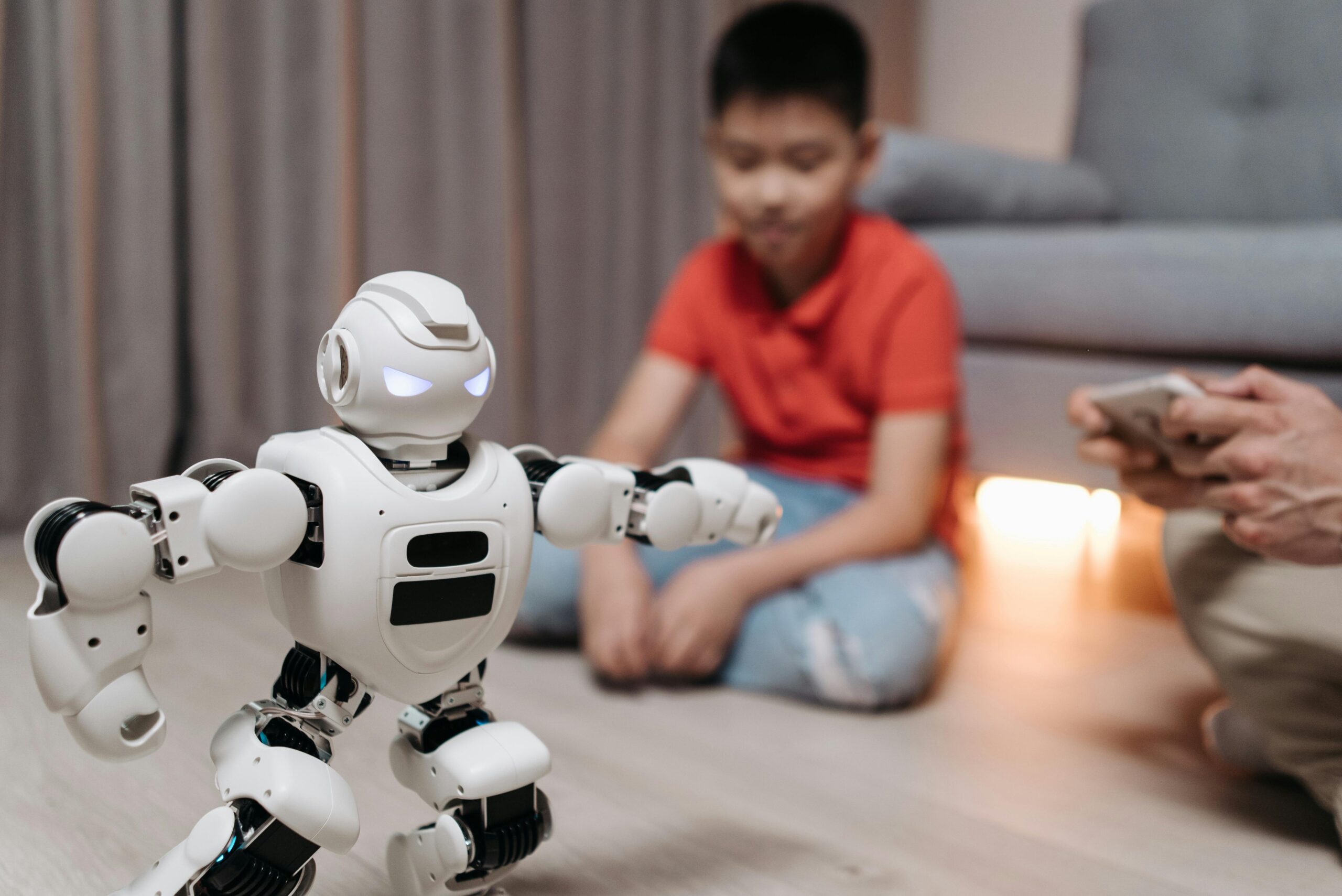
Transforming Education Through Innovation and Accessibility
The convergence of advancing technology, pedagogical innovation, and increasing demand for robotics expertise creates an unprecedented opportunity to transform education in this field. Remote learning strategies that effectively balance theoretical knowledge with practical application, leverage sophisticated simulation and collaboration tools, and maintain high levels of student engagement are unlocking robotics education for millions who previously had no access.
These programs don’t simply replicate traditional education in online formats—they reimagine how robotics skills can be developed, assessed, and applied. By removing geographical and economic barriers while maintaining rigorous standards and authentic learning experiences, remote robotics education is building a more diverse, skilled, and globally connected community of robotics professionals.
As technology continues advancing and educational methodologies mature, the distinction between remote and traditional robotics education will likely blur. The most successful programs will integrate the best elements of both approaches, using whichever methods most effectively develop specific competencies regardless of whether instruction occurs online or in physical spaces.
For students, educators, and institutions willing to embrace these innovative approaches, remote robotics learning offers a pathway to participate in one of the most dynamic and consequential fields shaping our technological future. The strategies and technologies enabling effective remote education today are not temporary accommodations but permanent expansions of how we develop the skills that will build tomorrow’s automated, intelligent, and robotic systems. 🌟