
Electrical wiring mistakes can compromise your home’s safety, increase energy costs, and even pose serious fire hazards that put your family at risk.

Whether you’re a homeowner who enjoys DIY projects or someone who wants to understand what professional electricians are doing in your home, knowing how to identify common wiring blunders is essential. Electrical systems are the nervous system of your house, powering everything from lights to appliances, and when something goes wrong, the consequences can be severe.
Many homeowners don’t realize that electrical errors lurk behind their walls, sometimes installed by previous owners or unqualified handymen. According to the National Fire Protection Association, electrical failures or malfunctions were the second leading cause of home fires between 2014-2018. Understanding these issues isn’t just about convenience—it’s about protecting your investment and ensuring your family’s safety.
🔌 Why Electrical Wiring Mistakes Are More Common Than You Think
The electrical code has evolved significantly over the decades, meaning older homes may have wiring that was once acceptable but no longer meets current safety standards. Additionally, the rise of DIY culture has led many well-intentioned homeowners to tackle electrical projects without proper knowledge or permits.
Professional electricians spend years learning their craft, understanding not just how to connect wires, but why certain methods are safer and more reliable than others. When shortcuts are taken or codes are ignored, the results can range from minor inconveniences to catastrophic failures.
The complexity of modern electrical systems has also increased dramatically. Today’s homes have significantly higher electrical demands than houses built just 30 years ago, with multiple high-power devices, smart home systems, and charging stations competing for capacity.
The Most Dangerous Wiring Mistakes Hiding in Your Walls
Overloaded Circuits and Outlet Strips
One of the most prevalent electrical errors is overloading circuits by connecting too many devices to a single outlet or circuit breaker. This happens frequently in older homes where the electrical panel wasn’t designed to handle modern power consumption.
Signs of an overloaded circuit include:
- Frequently tripping circuit breakers
- Dimming or flickering lights when appliances turn on
- Buzzing sounds from outlets or switches
- Discolored or warm outlet covers
- Burning smell near electrical components
The solution often involves redistributing loads across multiple circuits or upgrading your electrical panel to handle higher amperage. Never simply replace a circuit breaker with a higher-rated one without consulting an electrician—this removes an important safety mechanism.
Improper Wire Connections and Junction Boxes
Wire connections are critical points in any electrical system, and when done incorrectly, they create resistance that generates heat. Amateur electricians often twist wires together without proper wire nuts, use the wrong size connectors, or fail to secure connections adequately.
Another serious mistake is leaving junction boxes uncovered or hidden inside walls. Electrical codes require all junction boxes to remain accessible because these connection points need periodic inspection and are potential failure points. If you discover a junction box that’s been drywalled over, this is a code violation that should be corrected immediately.
Missing or Faulty GFCI Protection
Ground Fault Circuit Interrupter (GFCI) outlets are designed to protect you from electrical shock by detecting imbalances in electrical current and shutting off power within milliseconds. These specialized outlets are required in areas where water and electricity might meet: bathrooms, kitchens, garages, basements, and outdoor locations.
Many older homes lack GFCI protection entirely, while others have GFCI outlets that have failed but weren’t replaced. You should test your GFCI outlets monthly by pressing the “test” button—if the outlet doesn’t shut off power immediately, it needs replacement.
⚡ Recognizing Outdated and Dangerous Wiring Systems
Aluminum Wiring Concerns
Homes built between 1965 and 1973 often contain aluminum wiring, which was popular due to the high cost of copper at the time. While aluminum wiring isn’t inherently dangerous when properly installed, it has properties that make it more problematic than copper.
Aluminum expands and contracts more than copper with temperature changes, which can loosen connections over time. It also oxidizes when exposed to air, creating resistance at connection points. These factors combined make aluminum wiring a higher fire risk.
If your home has aluminum wiring, look for these warning signs:
- Outlets or switches that feel warm to the touch
- Strange odors near outlets or switches
- Flickering lights with no apparent cause
- Circuits that trip for no obvious reason
Professional remediation options include complete rewiring (expensive but most effective) or installing special copper-to-aluminum connectors at every junction point (less expensive but requires meticulous work).
Knob-and-Tube Wiring
This antiquated wiring method, common in homes built before 1950, consists of individual wires supported by ceramic knobs and running through ceramic tubes where they pass through framing members. While it was acceptable when installed, knob-and-tube wiring presents several modern safety concerns.
This system lacks a ground wire, which is essential for protecting against electrical shock and power surges. The insulation on these old wires often deteriorates over time, creating shock and fire hazards. Additionally, knob-and-tube wiring was designed for much lower electrical loads than contemporary homes require.
How Poor Grounding Can Put Your Home at Risk
Proper grounding is fundamental to electrical safety, providing a safe path for electricity to follow in case of a fault. When an electrical system isn’t properly grounded, dangerous situations can develop quickly.
Common grounding mistakes include using the neutral wire as a ground (a dangerous practice called a bootleg ground), having no ground connection at all in older two-prong outlets, or having inadequate grounding at the electrical panel itself.
You can identify some grounding issues by looking at your outlets—two-prong outlets indicate no grounding is available. Some homeowners replace these with three-prong outlets without actually installing a ground wire, creating a false sense of security. An outlet tester (available for under $10 at hardware stores) can quickly identify this and other wiring problems.
🔍 DIY Inspection: What You Can Check Safely
Visual Inspection Techniques
You don’t need to be an electrician to spot many common electrical problems. Start with a visual inspection of visible wiring, outlets, and electrical panels. Look for these red flags:
- Frayed or damaged wire insulation anywhere you can see it
- Scorch marks or discoloration around outlets and switches
- Outlets or switches that are loose or falling out of the wall
- Multiple extension cords running from the same outlet
- Exposed wire connections or junction boxes without covers
- Rust or corrosion on electrical panel components
In your electrical panel, check for signs of amateur work: double-tapped breakers (two wires connected to one breaker that isn’t rated for it), missing breaker slot covers, or evidence of overheating like discoloration.
Simple Testing Tools Every Homeowner Should Use
Several inexpensive tools can help you identify wiring problems without opening walls or touching live wires. A non-contact voltage tester lights up and beeps when near live electrical current, helping you verify power is off before working. These cost around $15-25 and are invaluable safety tools.
An outlet tester, as mentioned earlier, plugs into standard outlets and uses a pattern of lights to indicate common wiring errors including open grounds, open neutrals, hot/ground reversed, and hot/neutral reversed. This $10 investment takes seconds to use and can identify problems throughout your home.
For more detailed information, a multimeter allows you to measure voltage, continuity, and resistance. Digital multimeters are affordable and come with instructions for basic electrical testing. However, remember that working with live electricity is always dangerous—when in doubt, call a professional.
Understanding Your Electrical Panel and Circuit Breakers
Your electrical panel is the heart of your home’s electrical system, distributing power to individual circuits throughout the house. Understanding how it works helps you identify potential problems and communicate effectively with electricians.
Each circuit breaker protects one circuit by automatically shutting off power when it detects an overload or short circuit. Breakers are rated by amperage—typically 15 or 20 amps for standard household circuits, with higher ratings for major appliances like electric dryers, ranges, and air conditioners.
Common panel problems include:
- Federal Pacific or Zinsco panels (known fire hazards that should be replaced)
- Panels that are too small for current electrical demands
- Missing circuit labels making it impossible to identify which breaker controls what
- Evidence of moisture infiltration or rust
- Breakers that trip frequently (indicating underlying circuit problems)
Your panel should have a main disconnect that shuts off all power to the house. If your home lacks this feature, it may not meet current electrical codes and should be evaluated by an electrician.
💡 When Amateur Repairs Create Professional Problems
The internet has made DIY electrical work seem deceptively simple. While changing a light fixture or replacing an outlet might look straightforward in a video, electrical work involves critical safety considerations that aren’t always obvious.
Common DIY mistakes include using the wrong wire gauge for the circuit amperage, incorrect wire types for specific applications (like using indoor wire outdoors), poor wire stripping that leaves too much or too little bare conductor exposed, and failing to secure cables properly within junction boxes.
Perhaps most dangerous is the practice of working on circuits without properly shutting off power. Some homeowners believe they can work carefully without tripping breakers, but electrical shock can be fatal even from standard household current. Always verify power is off with a tester before touching any wires.
Another problematic trend is “matching what was there” in older homes. Just because previous wiring used a certain method doesn’t mean it was correct or safe. Electrical codes exist for good reasons, and even if old work is grandfathered in, new work must meet current standards.
The Hidden Costs of Ignoring Electrical Problems
Beyond the obvious safety risks, electrical problems carry financial consequences that many homeowners don’t consider. Faulty wiring creates resistance and poor connections that waste energy, quietly increasing your utility bills month after month.
Insurance implications are also significant. Many insurance companies will not cover homes with known electrical hazards like Federal Pacific panels, knob-and-tube wiring, or aluminum wiring unless remediation has been completed. Some insurers require electrical inspections on older homes before issuing policies.
If you’re planning to sell your home, electrical deficiencies discovered during a home inspection can derail deals or force you to negotiate expensive repairs. Proactively addressing electrical issues maintains your home’s value and appeal to buyers.
🛠️ When to Call a Professional Electrician
Some electrical situations absolutely require professional expertise. These include any work involving your electrical panel, installing new circuits, whole-house rewiring, dealing with aluminum or knob-and-tube wiring, and any project that requires a permit.
You should also call an electrician immediately if you experience:
- Frequent electrical shocks when touching appliances
- Persistent burning smells near electrical components
- Lights that flicker throughout the house
- Outlets or switches that spark or make buzzing sounds
- Circuit breakers that trip repeatedly
- Any sign of overheating in your electrical panel
When hiring an electrician, verify they’re licensed and insured in your state. Ask for references and check online reviews. Get detailed written estimates from multiple contractors for major work, and ensure the scope includes pulling necessary permits and having work inspected.
Don’t automatically choose the lowest bid—quality electrical work protects your investment and safety. An experienced electrician might charge more but will complete work correctly the first time, using proper materials and methods that comply with electrical codes.
Preventing Future Electrical Problems in Your Home
Prevention is always easier and cheaper than repair. Regular electrical maintenance can catch small problems before they become dangerous or expensive. Have a licensed electrician inspect your system every 3-5 years, or more frequently if your home is older or you’ve noticed any warning signs.
Keep detailed records of all electrical work done on your home, including permits, inspections, and contractor information. This documentation proves valuable when selling your home and helps future electricians understand your system’s history.
Avoid overloading circuits by spreading high-power devices across multiple outlets. Use surge protectors for sensitive electronics, and never daisy-chain power strips together. If you find yourself constantly needing extension cords in certain areas, you probably need additional outlets installed—this is a sign your electrical system isn’t meeting your needs.
Stay informed about recalls affecting electrical components. The Consumer Product Safety Commission maintains a database of recalled electrical products, including outlets, switches, panels, and breakers. If you discover you have recalled components, arrange for replacement promptly.
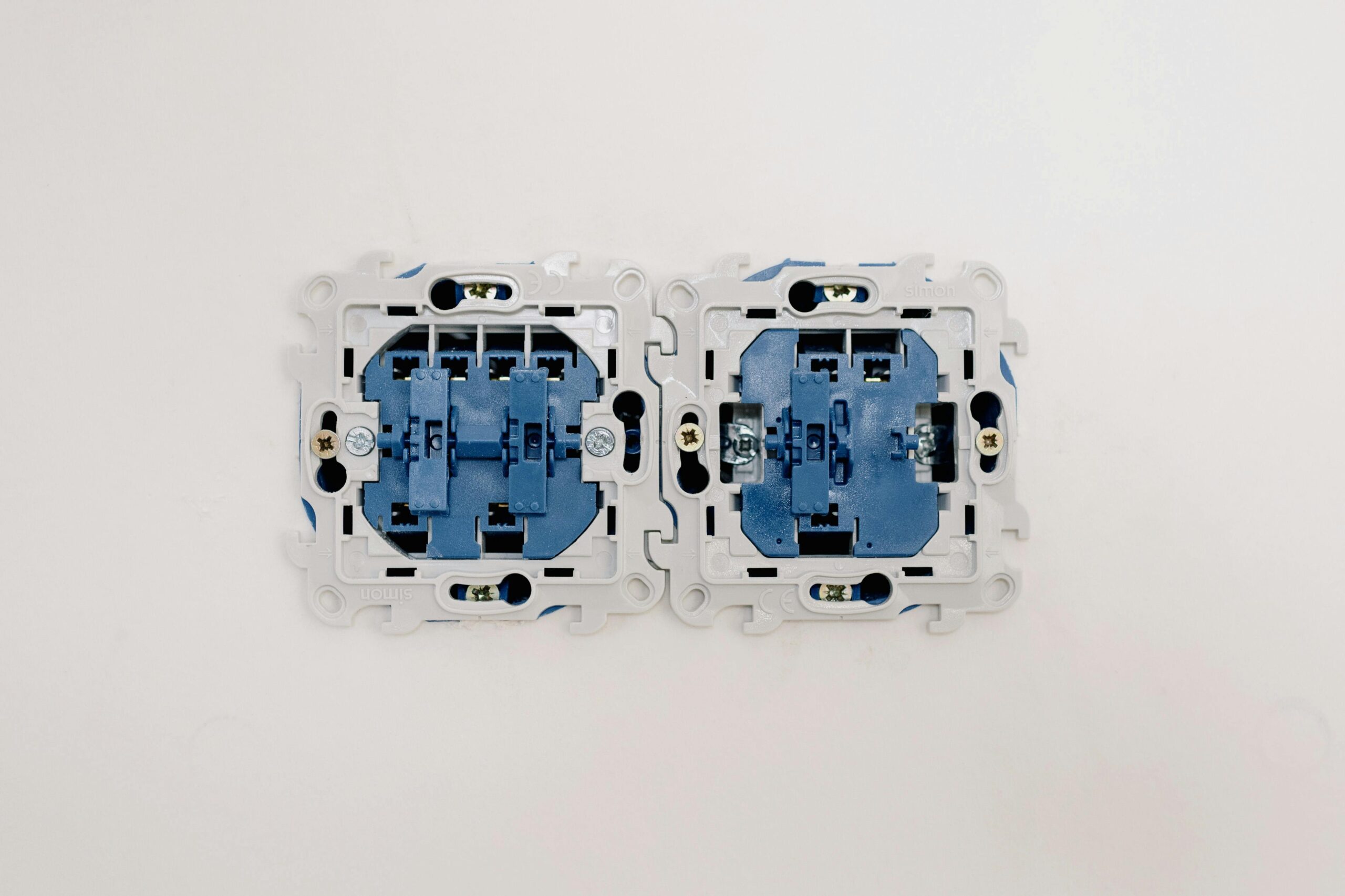
⚠️ Taking Action: Your Home Safety Checklist
Now that you understand common electrical blunders and how to spot them, create an action plan for your home. Start with a comprehensive walk-through, checking every outlet, switch, and visible wire for the warning signs discussed in this article.
Test all GFCI outlets monthly and document which outlets are protected. Create or update your electrical panel’s circuit map so you know exactly what each breaker controls. This information becomes invaluable during emergencies or when planning renovations.
Schedule a professional electrical inspection if your home is over 40 years old, if you’ve experienced any of the warning signs mentioned, or if you’re unsure about your system’s safety. The cost of an inspection pales in comparison to the potential costs of electrical fires, injuries, or major system failures.
Electrical safety isn’t an area where shortcuts pay off. Your home’s wiring might be hidden behind walls, but its importance cannot be overstated. By understanding common wiring blunders and knowing when to call for professional help, you protect your home, your family, and your financial investment. The electrical system that seemed like a mysterious network of wires is now something you can monitor, maintain, and improve with confidence and knowledge.