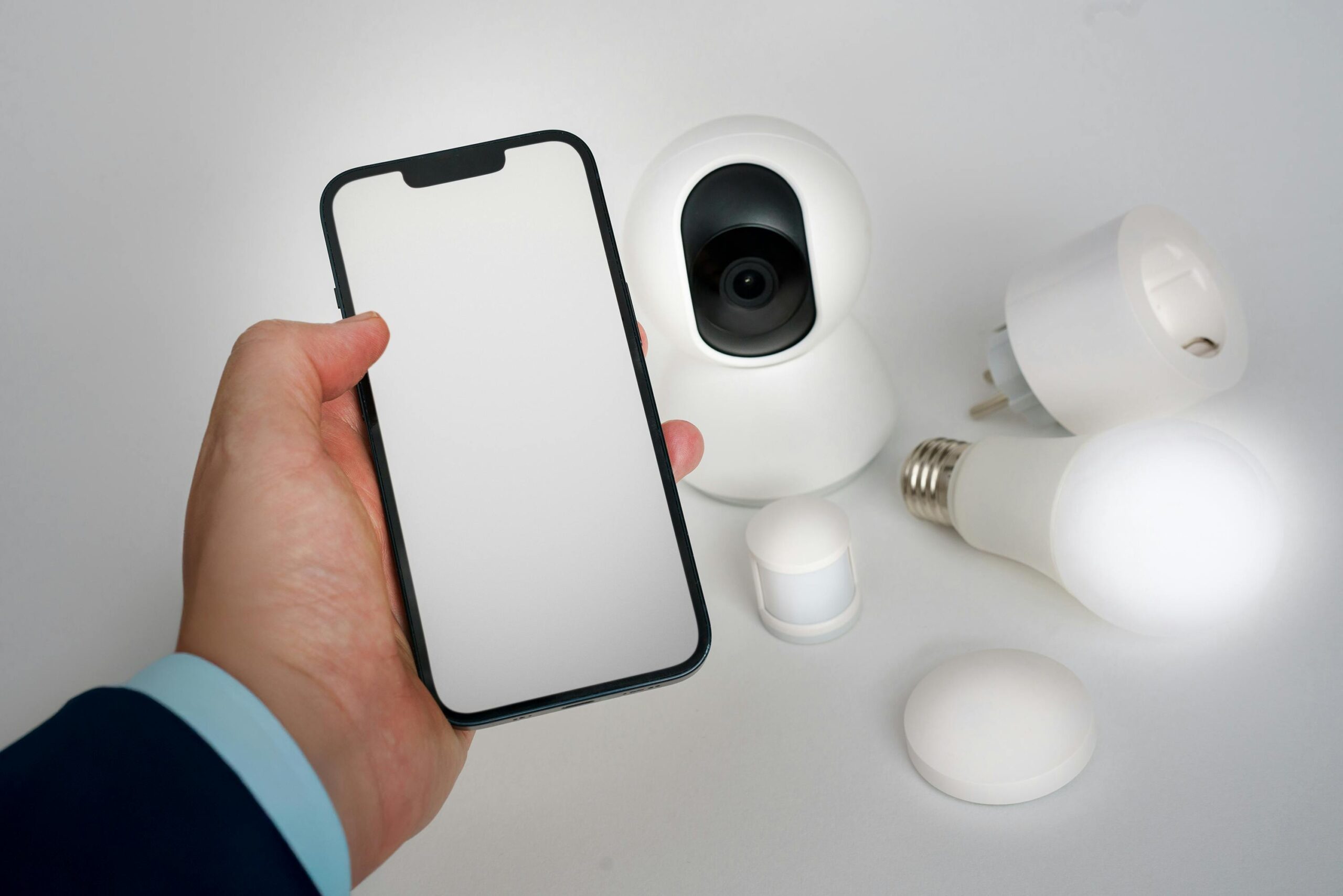
Modern life demands simplicity, and smart home automation logic delivers exactly that by transforming everyday routines into seamless, intelligent experiences that respond to your needs without constant manual input.

🏠 The Dawn of Truly Intelligent Living Spaces
The concept of home automation has evolved dramatically over the past decade. What once seemed like science fiction—homes that anticipate your needs, adjust themselves automatically, and learn from your behaviors—has become an accessible reality for millions of homeowners worldwide. The secret ingredient that makes this possible isn’t just connected devices; it’s the sophisticated automation logic that orchestrates them into a cohesive, intelligent ecosystem.
Smart home automation logic represents the brain behind the brawn of connected devices. While individual smart products like thermostats, lights, and locks offer convenience, automation logic ties them together into powerful sequences that eliminate repetitive tasks and create truly responsive living environments. This intelligence layer transforms a collection of smart gadgets into an integrated system that works proactively rather than reactively.
The market for smart home technology continues its explosive growth, with analysts projecting it will reach over $174 billion by 2025. Yet many homeowners barely scratch the surface of what’s possible, using their smart devices as glorified remote controls rather than leveraging automation logic to create genuinely effortless living experiences.
🧠 Understanding Automation Logic: Beyond Simple Commands
At its core, automation logic operates on “if-this-then-that” principles, but modern implementations have grown far more sophisticated. Today’s automation systems can process multiple conditions simultaneously, learn from patterns, and make contextual decisions that account for time, location, environmental factors, and user preferences.
Basic automation might turn on lights when you arrive home. Advanced automation logic considers whether it’s dark outside, if anyone else is home, what room you typically enter first, and even adjusts the lighting temperature based on the time of day and your circadian rhythm preferences. This nuanced approach transforms simple triggers into intelligent responses.
The Three Pillars of Smart Automation
Effective automation logic rests on three fundamental pillars that work in concert to create seamless experiences:
- Triggers: Events or conditions that initiate automation sequences, ranging from time-based schedules to sensor detections, geolocation data, or device states
- Conditions: Additional parameters that must be met for automation to execute, providing contextual intelligence that prevents unwanted actions
- Actions: The actual commands sent to devices, which can include multiple simultaneous operations across different systems
Understanding how these pillars interact enables homeowners to design automation routines that feel intuitive and natural rather than rigid and mechanical. The best automations are those you forget exist because they simply work.
🌅 Morning Routines That Start Your Day Perfectly
Consider the typical morning chaos: multiple alarms, fumbling for light switches, adjusting thermostats, starting coffee makers, and checking weather forecasts. Automation logic can orchestrate all these elements into a seamless wake-up experience that adapts to your schedule and preferences.
A well-designed morning automation might begin 30 minutes before your alarm, gradually warming your bedroom to an optimal temperature. Twenty minutes before wake time, smart blinds slowly open to simulate natural sunrise, supporting your body’s natural cortisol awakening response. Fifteen minutes out, your coffee maker starts brewing, and your bathroom floor heating activates.
When your alarm sounds, bedroom lights gently brighten to full intensity over five minutes. Your smart speaker provides a personalized briefing including weather, calendar appointments, and commute times. The shower preset automatically adjusts water temperature to your preference, and your favorite morning playlist begins at a comfortable volume.
This level of orchestration requires no input beyond your initial setup. The automation logic handles timing, sequencing, and execution flawlessly every day, adapting automatically for weekends or when you’re traveling based on your calendar and location data.
🔐 Security Automation That Protects Proactively
Home security represents one of automation logic’s most valuable applications. Traditional security systems respond to breaches; intelligent automation prevents them while providing comprehensive monitoring without constant manual oversight.
Modern security automation begins with presence detection. When your household’s final occupant leaves—determined through smartphone geolocation and interior motion sensors—the system automatically locks all doors, closes garage doors, arms security sensors, adjusts thermostats to away mode, and activates security cameras.
The logic extends beyond simple activation. If unusual motion is detected while you’re away, automation can respond contextually: turning on lights in that area, beginning video recording with cloud backup, sending smartphone notifications with camera feeds, and even alerting neighbors or authorities based on the threat level assessed through AI analysis.
Intelligent Detection and Response
Advanced automation logic distinguishes between genuine threats and false alarms by analyzing multiple data points simultaneously. A motion sensor triggered while windows detect strong winds might indicate a loose decoration rather than an intruder. The system processes these contextual clues before deciding whether to alert you, reducing notification fatigue while maintaining genuine security.
Upon your return, automation recognizes your approach through geofencing or vehicle detection, disarming security systems, unlocking doors, and adjusting lighting and climate before you enter. This seamless transition enhances both security and convenience without requiring any manual interaction.
💡 Energy Management Through Intelligent Automation
Energy consumption represents a significant household expense and environmental concern. Automation logic addresses both issues by optimizing usage patterns without sacrificing comfort or convenience.
Smart thermostats pioneered learning algorithms that adapt to your schedule, but comprehensive automation extends this intelligence across all energy-consuming systems. Lighting automation doesn’t just turn off unused lights; it adjusts brightness based on available natural light, reduces intensity in unoccupied rooms, and shifts color temperature throughout the day to support circadian rhythms while minimizing electricity usage.
Climate control automation considers multiple factors: outdoor temperature, indoor humidity, occupancy patterns, time-of-use electricity rates, and even weather forecasts. The system might pre-cool your home during lower-rate afternoon hours before peak pricing begins, or delay HVAC operation knowing a cold front will arrive shortly, reducing unnecessary energy expenditure.
| Automation Type | Average Energy Savings | Payback Period |
|---|---|---|
| Smart Lighting | 30-40% | 12-18 months |
| Climate Control | 15-25% | 18-24 months |
| Appliance Scheduling | 10-15% | 24-30 months |
| Comprehensive System | 40-50% | 24-36 months |
🎬 Entertainment Experiences Without the Hassle
Modern entertainment systems involve multiple components: televisions, streaming devices, sound systems, lighting, and increasingly, projectors and motorized screens. Automation logic transforms complex multi-step setups into single-command experiences.
A “movie night” automation might dim lights to 20%, lower motorized shades, power on the projector and sound system, switch to the appropriate input, adjust room temperature down two degrees (theaters are typically cooler), and even silence smartphone notifications. When the movie ends, a single command reverses everything and returns the room to normal configuration.
The same logic extends to music throughout your home. Zone-based audio automation can follow you from room to room, transferring playback seamlessly as you move through your space, or create synchronized whole-home audio for parties with volume automatically adjusted per room based on acoustics and typical usage.
🛏️ Sleep Optimization Through Evening Routines
Quality sleep depends on environmental factors that automation can optimize perfectly. Evening routines should progressively prepare your body and mind for rest, and automation logic excels at creating these gradual transitions.
As bedtime approaches, automation can begin reducing blue light from smart bulbs, gradually lowering color temperature from energizing daylight tones to warm amber hues that support melatonin production. Climate systems adjust bedroom temperature to the optimal sleep range of 60-67°F, while ensuring the rest of the home maintains comfortable settings.
A bedtime command might lock all doors, arm security systems, turn off unnecessary lights and electronics, activate white noise machines or sleep soundscapes, and adjust smart mattress settings to your preference. Throughout the night, automation monitors and adjusts conditions to maintain optimal sleep environment without your conscious input.
Wake Windows and Sleep Tracking Integration
Advanced implementations integrate sleep tracking data from wearables or smart mattresses, adjusting automation timing based on actual sleep patterns rather than rigid schedules. If you’re experiencing restless sleep, the system might adjust room temperature, reduce noise machine volume, or make subtle environmental changes to promote deeper rest.
🍳 Kitchen Automation for Culinary Convenience
The kitchen presents unique automation opportunities that extend beyond smart refrigerators. Automation logic can coordinate appliances, lighting, ventilation, and even grocery management into streamlined workflows that make cooking more enjoyable and efficient.
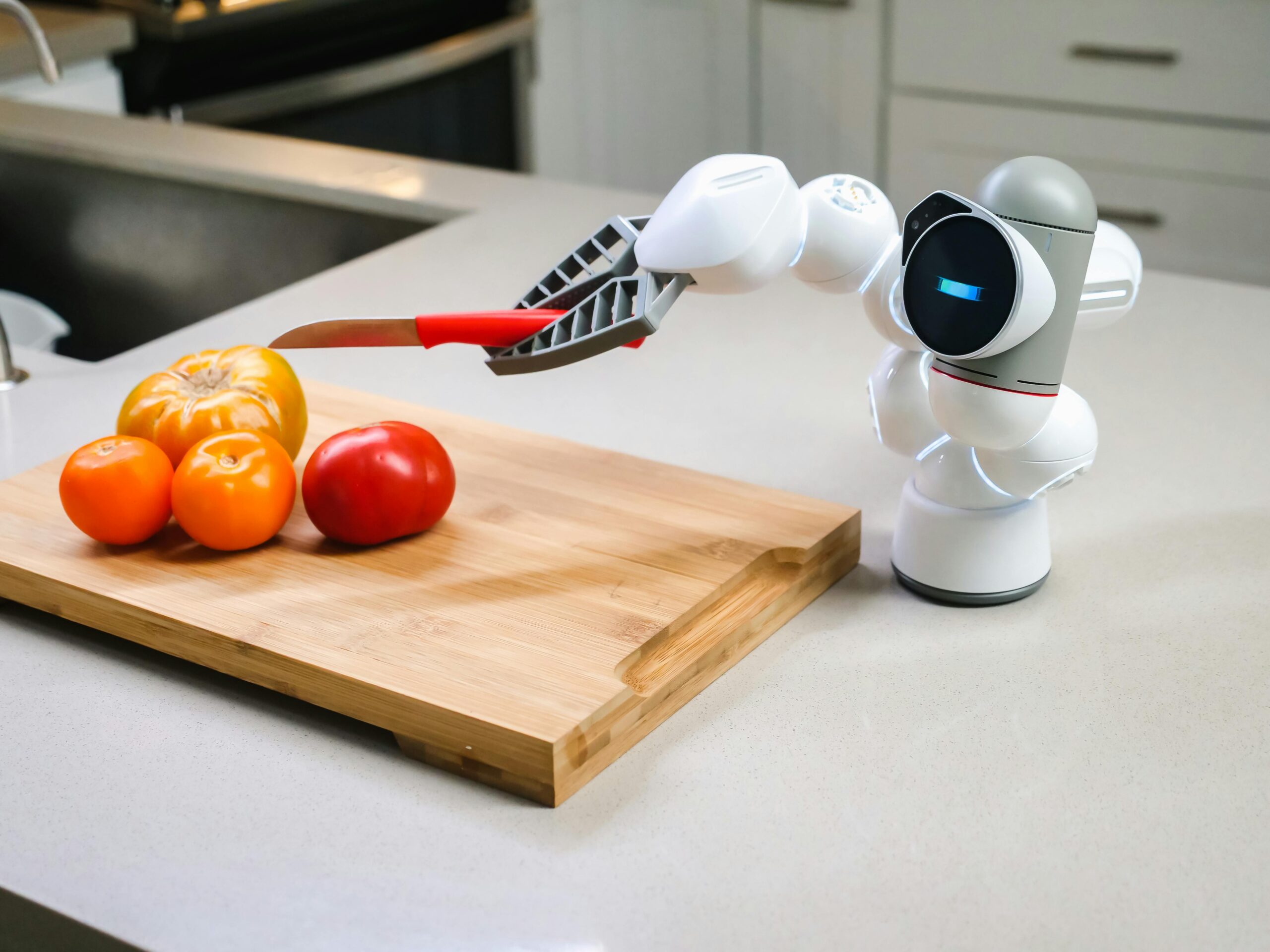
When you begin cooking—detected through stove activation or explicit voice command—automation can adjust kitchen lighting to task-appropriate brightness, activate range hood ventilation, start a cooking timer display, and play your preferred cooking playlist. Some systems integrate with smart scales and recipe apps, guiding you through preparations with voice instructions that leave your hands free.
Post-meal cleanup triggers different automation: dishwasher-safe lighting, music suited to mundane tasks, and even automated dishwasher operation scheduled for off-peak electricity hours after you’ve loaded it. Trash compactors, disposals, and other kitchen systems integrate into comprehensive workflows that eliminate repetitive manual tasks.
🏃 Presence-Based Automation That Follows You
Modern automation logic doesn’t just respond to location—it anticipates needs based on presence patterns and contextual data. Room-level presence detection using motion sensors, door contacts, and even thermal imaging enables room-by-room automation that follows your movement through your home.
As you move from room to room, lighting automatically adjusts to appropriate levels, climate zones activate to comfortable temperatures, and even entertainment systems can follow with seamless audio handoffs. This creates an experience where your home constantly adapts to your location without requiring any conscious interaction.
Presence-based automation also enables significant energy savings by ensuring no resources are wasted in unoccupied spaces. Lights don’t illuminate empty rooms, climate control doesn’t condition unused areas, and electronics enter low-power states when nobody’s present to use them.
🌦️ Weather-Responsive Automation Intelligence
External conditions dramatically impact optimal home settings, and automation logic can integrate real-time weather data to make proactive adjustments. This weather awareness transforms reactive systems into predictive ones that prepare for conditions before they affect your comfort.
When rain is detected or forecasted, automation closes open windows and skylights, delays lawn irrigation schedules, and might even suggest weather-appropriate wardrobe selections through smart mirrors. Before extreme heat arrives, systems can pre-cool your home while electricity rates remain low, reducing energy costs while maintaining comfort.
Severe weather triggers protective responses: closing motorized shutters, ensuring emergency supplies are accessible (smart locks can allow emergency services access), and maintaining communication systems with battery backup verification. This proactive protection provides peace of mind without requiring constant weather monitoring.
📱 Voice Control and Automation Harmony
Voice assistants and automation logic serve different but complementary purposes. Voice control handles ad-hoc commands and queries; automation manages recurring patterns and complex sequences. The most effective smart homes leverage both appropriately.
Well-designed voice commands can trigger comprehensive automation sequences. Saying “goodnight” might execute your entire evening routine, while “I’m leaving” activates departure automation. These natural language triggers make powerful automation accessible without memorizing complex commands or navigating apps.
The integration extends to conversational context. Your smart home can understand that “it’s too bright” should dim living room lights if that’s where you’re located, or adjust bedroom lighting if you’re there instead. This contextual awareness makes interaction feel natural rather than mechanical.
🔧 Practical Implementation: Starting Your Automation Journey
Building effective automation requires thoughtful planning rather than impulsive device purchases. Begin by identifying repetitive tasks and pain points in your daily routine. Which activities consume mental energy without adding value? What do you frequently forget to do manually? These represent prime automation opportunities.
Start simple with single-purpose automations before building complex sequences. A basic “good morning” routine might simply adjust thermostat and start coffee. As you grow comfortable with automation concepts, gradually add complexity: lighting adjustments, security checks, weather briefings, and calendar integration.
Choosing Your Automation Platform
Platform selection significantly impacts capabilities and complexity. Consumer-friendly options like Google Home, Amazon Alexa, and Apple HomeKit offer accessible interfaces but limited advanced logic. Enthusiast platforms like Home Assistant, Hubitat, or openHAB provide powerful capabilities but steeper learning curves.
Many successful implementations use hybrid approaches: consumer platforms for voice control and basic automation, supplemented by more powerful systems handling complex logic. This provides both accessibility and capability without overwhelming complexity.
🚀 Future-Proofing Your Automated Home
Technology evolves rapidly, and smart home investments should account for future developments. Prioritize open standards like Matter, Zigbee, and Z-Wave over proprietary protocols that lock you into single ecosystems. These interoperable standards ensure devices work together regardless of manufacturer and remain compatible with future innovations.
Artificial intelligence and machine learning continue advancing automation capabilities. Future systems will require less explicit programming, instead learning your preferences through observation and adapting automatically. Voice and gesture recognition will become more natural, and predictive automation will anticipate needs before you consciously recognize them.
The integration of external data sources will expand automation possibilities. Traffic patterns might adjust your morning routine timing, air quality data could trigger ventilation responses, and community safety information might enhance security automation. These connections transform isolated smart homes into responsive components of larger intelligent ecosystems.
🎯 Creating Truly Effortless Living Experiences
The ultimate goal of automation logic isn’t technological showcase; it’s genuinely effortless living where technology fades into the background while continuously enhancing your life. The best automation is invisible—you don’t think about it because everything simply works as needed without conscious effort.
Achieving this requires balancing automation with control. Total automation that never allows manual override feels restrictive; minimal automation that requires constant management defeats the purpose. Effective systems automate recurring patterns while preserving the ability to override when circumstances change.
Privacy and security considerations remain paramount. Every connected device and automated system represents potential vulnerability. Implement network segmentation, use strong authentication, regularly update firmware, and thoughtfully consider what data you share with cloud services. Effortless living shouldn’t compromise safety or privacy.
As automation logic becomes more sophisticated and accessible, the barrier between imagining ideal living experiences and implementing them continues shrinking. The technology exists today to create homes that anticipate needs, adapt to preferences, and eliminate countless small friction points that accumulate into significant mental burden. By thoughtfully implementing automation logic, you’re not just adding convenience—you’re reclaiming time and mental energy for what truly matters, creating living spaces that support rather than demand attention, and embracing a genuinely effortless approach to modern life.